

Roger Bates
Wild Woodbury
Making space for wildlife in Dorset
This year, we celebrate five years of the Wild Woodbury project. When Dorset Wildlife Trust acquired 170 hectares of land on the edge of Bere Regis, the vision was ambitious: restore nature at scale, lock up carbon and create a place where local people could reconnect with nature on their doorstep. Today, Wild Woodbury showcases exactly how quickly nature can rebound when given the space and time to do so.
Wild Woodbury has transformed into a thriving, ever‑changing mosaic of ephemeral wetlands, scrub, grassland and emerging woodland. In just five years, water has been restored to the landscape, wildlife has returned in abundance and natural processes are once again shaping the land. Mixed grazing, community involvement and extensive monitoring have accelerated recovery, creating a richer, wilder place for both people and nature. Wild Woodbury now stands as a leading example of large-scale rewilding in Dorset.
We are grateful for the support of Julia Davies, founder of We Have the POWER who helped to acquire this site in September 2021 through her Funding Nature Project and is currently working with The Wildlife Trusts to develop the philanthropic lending concept. Find out more about philanthropic loans and Julia's story here
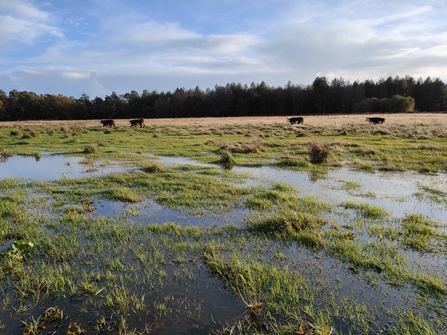
Rob Farrington / River Sherford at Wild Woodbury
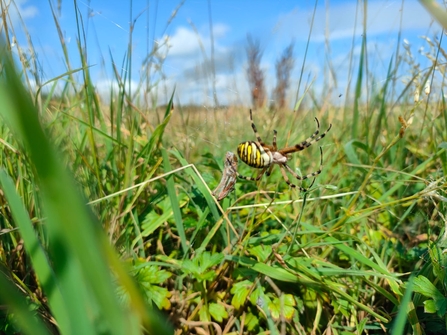
Rob Farrington / Wasp spider with prey at Wild Woodbury
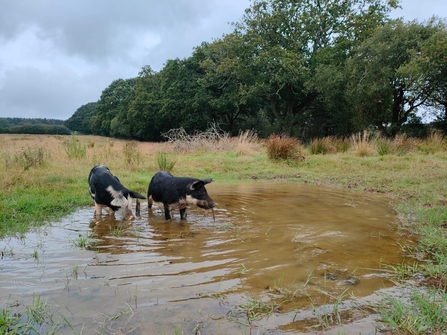
Rob Farrington / The two pigs introduced to Wild Woodbury
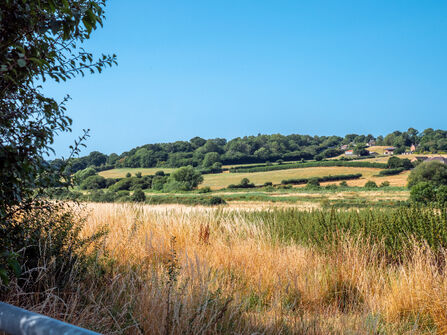
James Burland
Jack Clarke / Wild Woodbury three years on
Transformation at Wild Woodbury: Vegetation
Natural regeneration
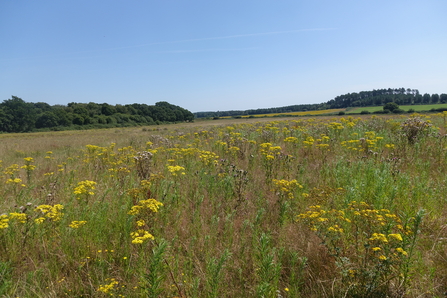
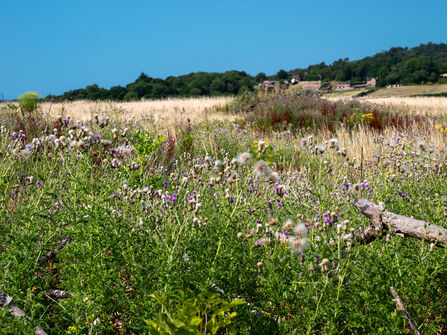
Without human intervention, the former arable fields responded rapidly. With no single species dominating, the seed bank burst into life, producing carpets of field pansy, speedwell, scarlet pimpernel, poppy and thistle. Clay soils favoured charlock, while one field saw dense swathes of oats reappear. By year two, diversity had increased further with fleabane, mayweed and grasses, while bramble and willow began spreading into field centres. As soil nutrients declined, vegetation developed into a more varied and structurally diverse mix. Even the most species-poor rye grass field revealed hidden potential, supporting plants such as stork's-bill and sheep's sorrel on a mound of acidic sandy soil.
Restoring natural processes
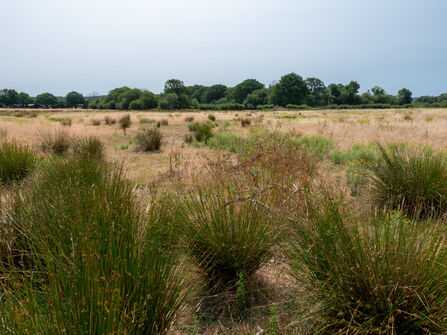
Changes in the permanent pasture were slower, but river restoration transformed large areas into ephemeral wetlands rich in rushes and sedges. The introduction of pigs in 2024 accelerated recovery, exposing bare ground and triggering the appearance of more than 25 plant species in previously impoverished fields. Planting native shrubs and trees helped establish scrub and increase habitat diversity.
The role of grazing animals
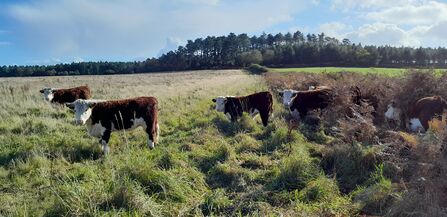
Mixed grazing has been vital. Hereford cattle, Exmoor ponies and Mangalitsa and Berkshire pigs each shape the land differently through grazing, trampling and rootling, creating a more dynamic habitat. Careful deer management has prevented over-browsing, while dung beetles and other invertebrates have flourished, helping to restore natural nutrient cycling
James Burland
James Burland
James Burland
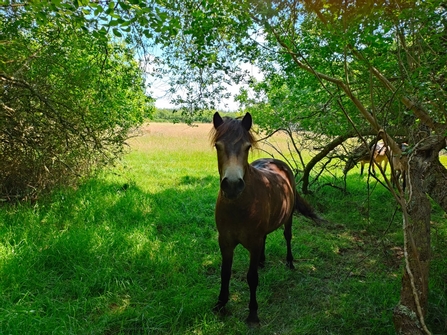
Rob Farrington / Exmoor pony at Wild Woodbury
Transforming Wild Woodbury: Species abundance
Mammals
Wood mice were among the first species to thrive, creating hundreds of burrows that helped aerate compacted soil. Since then, harvest mice, water shrews, dormice, voles, stoats and weasels have all increased. Badgers and foxes remain regular visitors, while pine martens have yet to be recorded, despite evidence of their presence nearby.
Birds
Bird recovery has been one of the site's greatest successes. From 65 species in year one, Wild Woodbury now supports 125, including 28 UK Red List species. Skylarks rose from just two singing males to more than 55 in 18 months, while tree pipits established 17 territories where none previously existed. Nightjar, snipe and curlew have all appeared, alongside winter visitors such as hen harrier and short-eared owl.
Butterflies and other invertebrates
Butterfly numbers have more than doubled since 2022, with five new species recorded, including the silver-studded blue. Moth surveys have revealed a growing variety of species, while volunteer recorders have documented more than 600 species of beetles, spiders, flies and bugs, including some new to Dorset. Fields now teem with grasshoppers and crickets.
Amphibians and reptiles
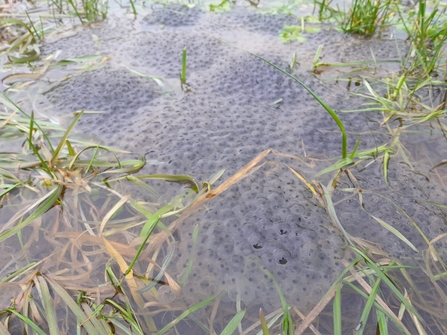
No amphibians were recorded before restoration. Within months of rewetting, frogs, toads and smooth newts had arrived, with frogspawn now carpeting wetland areas each spring. Grass snakes, adders, slowworms and common lizards have all increased. Particularly notable was the discovery of a female adder in an ex-arable field, challenging assumptions about how quickly suitable habitat can develop.
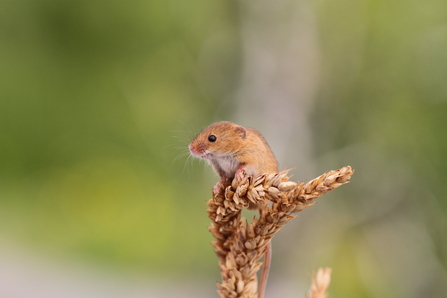
Steve Davis / Harvest mouse
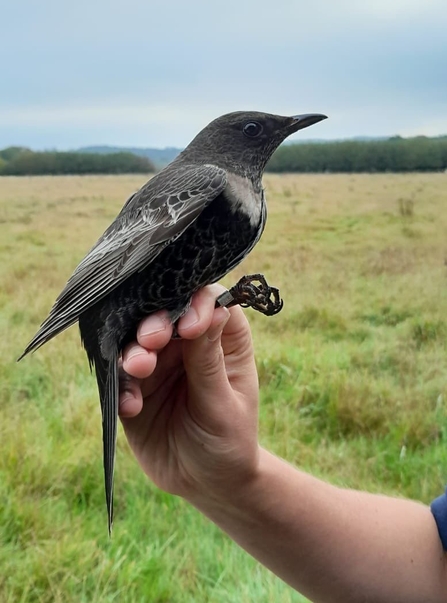
Seb Elwood / Ring ouzel at Wild Woodbury
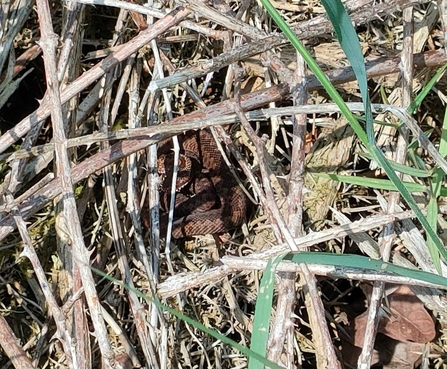
Rob Farrington / Adder at Wild Woodbury
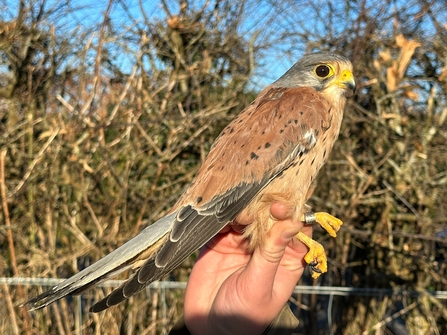
Seb Elwood / Kestrel ringed at Wild Woodbury
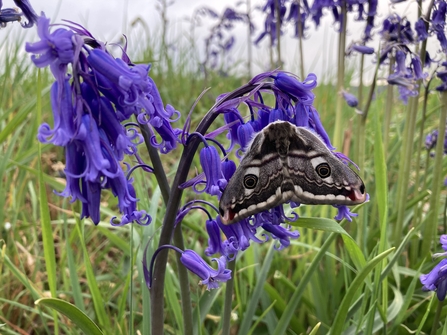
Seb Elwood / Emperor moth at Wild Woodbury
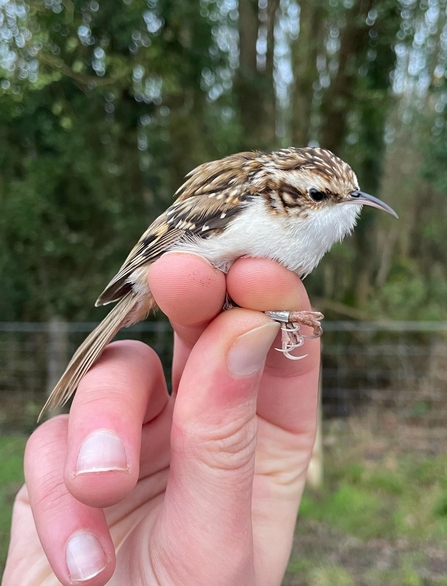
Seb Elwood / Treecreeper

Margaret Holland / Field vole
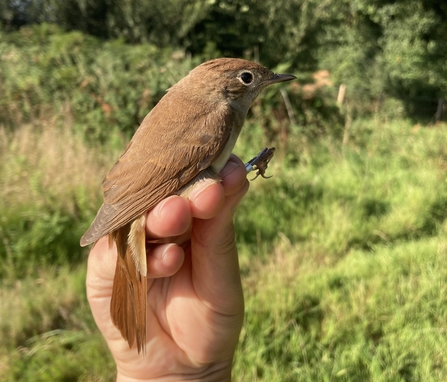
Seb Haggett / Nightingale at Wild Woodbury
The nightingale has one of the most famous birdsongs in the UK. It is hugely exciting to discover this bird at Wild Woodbury, and hopefully they will return next year to breed.
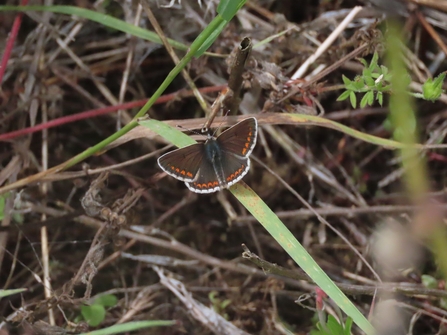
Seb Elwood / Brown argus at Wild Woodbury
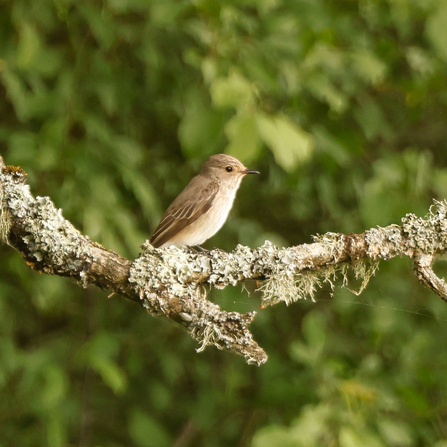
Hamish Murray / Spotted flycatcher
Rob Farrington / Wasp spider with prey at Wild Woodbury
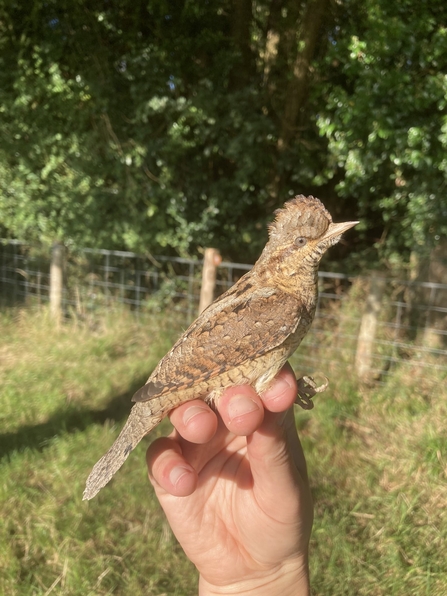
Seb Elwood / Wryneck at Wild Woodbury
Transforming Wild Woodbury: River restoration
Before restoration, Wild Woodbury was heavily drained. Deep ditches and terracotta pipes funneled the Sherford River, carrying sediment, nitrates, and phosphates downstream. Aquatic life was almost absent; dragonflies, amphibians, and wetland invertebrates were scarce.
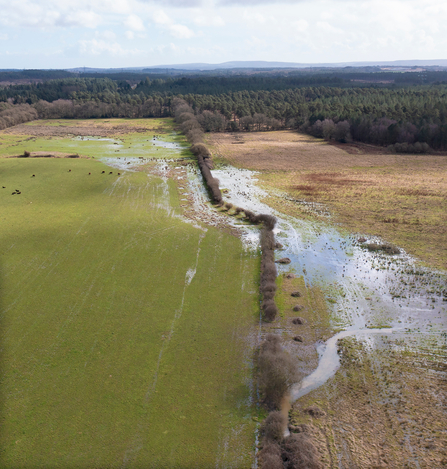
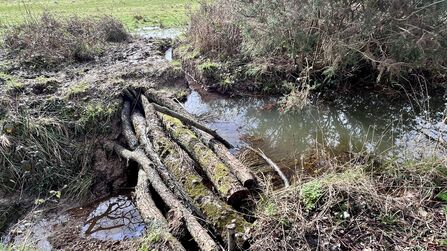
Hydrological surveys revealed historic flow paths and opportunities to rewet the land. Contractors filled selected ditches, lowered bunds, smashed field drains, and created leaky dams. The effect was immediate: water spread naturally across the landscape, forming long ponds, marshes, and shallow pools.
Forty hectares became an ephemeral wetland mosaic. Water sampling now shows crystal‑clear flows and dramatically reduced nutrient levels. Species that depend on water - frogs, toads, grass snakes, dragonflies ‑ have returned in abundance wordcount
Rob Farrington / River Sherford at Wild Woodbury
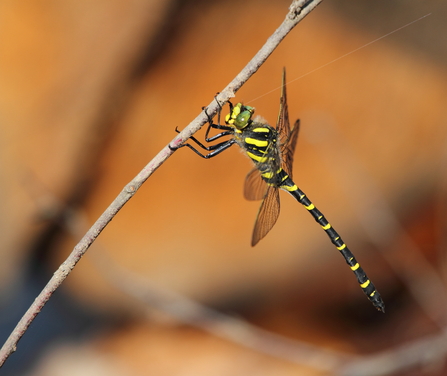
Steve Davis / Golden-ringed dragonfly
Kelly Hunt / Wild Woodbury
Roger Bates
Hazel Ormrod
Hazel Ormrod
Transforming Wild Woodbury: Community
From the beginning, Wild Woodbury has been shaped not only by nature but by the people who visit, volunteer and support it. Over five years, a thriving community has helped monitor wildlife, restore habitats and share the story of the site.
A major milestone came in 2024 with the creation of a new car park and 13 hectares of open-access land, funded by Dorset Council. New interpretation boards help visitors understand the vision for Wild Woodbury and explore the site with confidence.
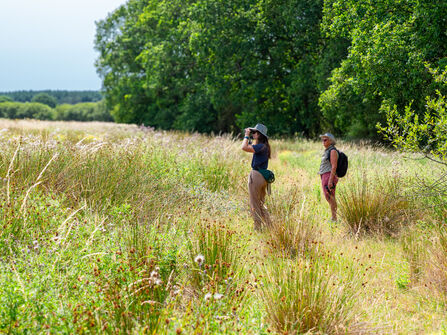
The open-access area is being allowed to regenerate naturally into scrub and woodland, with accessible paths leading through emerging habitats. Features including a food forest and wildflower meadow provide places to explore, learn and relax. Improved access has also enabled accessible guided walks for members with limited mobility.
In 2024, we launched a series of Introduction to Rewilding events. Consistently fully booked, these walks offer a chance to see nature recovery first-hand and learn about the decisions shaping the site. Many visitors now return regularly, amazed by the changes taking place.
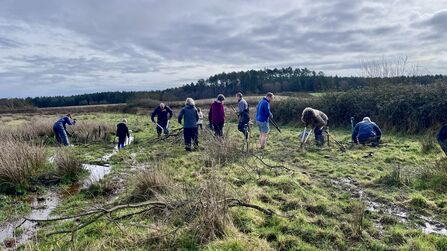
Volunteers have contributed hundreds of hours to species surveys, path maintenance, scrub planting, and event support. Citizen scientists have expanded our ecological knowledge through butterfly counts, bird records, camera trap data, and water quality monitoring. Their observations often provide the first clues to new species arriving on site. Volunteers have formed new friendships based on their shared love for the natural world.
Schools, youth groups, and university researchers now use Wild Woodbury as an outdoor classroom. Children have dipped ponds, tracked animal footprints, and learned how wetlands store carbon.
The site has become a valued walking destination, supporting local pubs and accommodation providers. Visitors frequently tell us that time spent at Wild Woodbury leaves them feeling calmer, more grounded, and more connected to nature. These stories are as important as any ecological metric, reminding us that rewilding benefits people as much as wildlife.
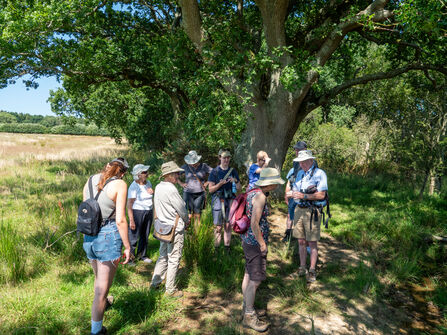
James Burland
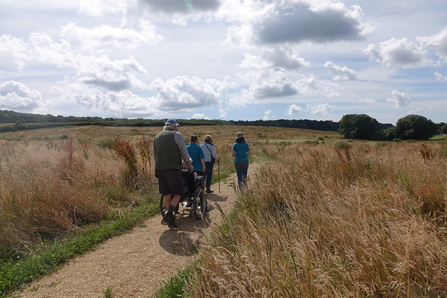
Jack Clarke / Limited mobility walk at Wild Woodbury
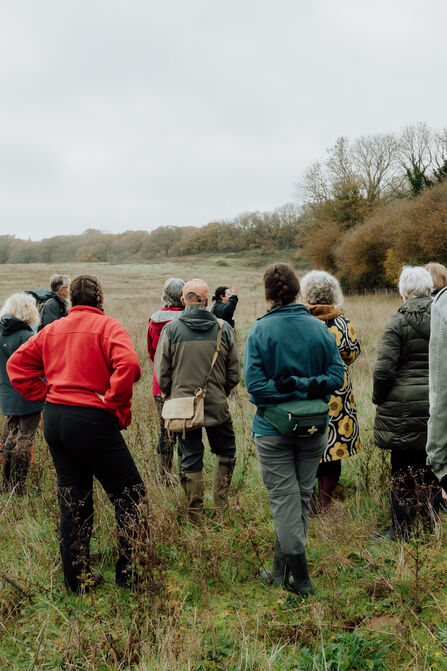
Clare Johnson / Wild Woodbury community day
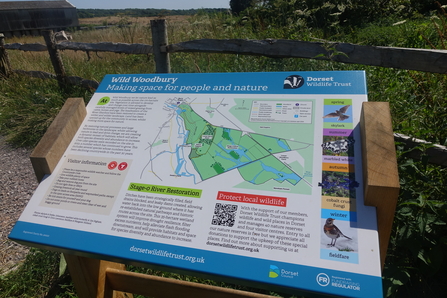
Jack Clarke / Wild Woodbury interpretation board
James Burland
FAQs
Can I visit Wild Woodbury?
Yes, you are welcome to visit. There are waymarked walking trails around the Wild Woodbury site and a car park at the main entrance. There are also footpaths and public rights of way across the land which are open to everyone. Vehicle access is from Southbrook, Bere Regis, BH20 7LL and the what3words location for the main entrance is: ///pesky.indicates.stubble
Why did you buy this land?
There were three key reasons for purchasing this land. First is tackling the ecological crisis. The Wildlife Trusts want to see 30% of land being managed in a way which is beneficial to nature in the UK by 2030. This means some currently nature-poor areas need to be restored to allow nature space to rebound and spread.
Second is tackling the climate crisis. Restoring nature increases the amount of carbon held in healthy soils, new woodlands and wetlands and reduces outputs of harmful greenhouse gases.
Third, we aim to help local communities better connect with nature on their doorstep. More of us than ever are disconnected from the natural world but connection to nature has huge benefits for mental and physical wellbeing. This site will provide vital space and new opportunities to engage the public with the natural world. Dorset Wildlife Trust is working closely with the local community with planning for the site’s future, to ensure their voices are heard and they receive real community benefits.
How was the acquisition funded?
Julia Davies , environmental campaigner and founder of We Have The POWER played a major role in making the acquisition possible, by initiating and negotiating the purchase on behalf of Dorset Wildlife Trust, giving us time to secure funds. Find out more about her Funding Nature Project.
We were very grateful to receive funding from both BCP and Dorset Councils for this project, to mitigate the impacts of increases in nitrates due to new housing development in the Poole Harbour catchment.
Supporters of Dorset Wildlife Trust made generous donations to the project and our thanks go to those who pledged money in their Wills to support the purchase of land.
Why are nitrates such a problem?
High levels of nitrates in our waterways cause algal blooms which can kill ecosystems and have a devastating effect on the wider food chain. Nitrates predominantly come from fertiliser and manure that has been used in agriculture and then washed into waterways and, to a lesser extent, treated sewage. The high levels of these nutrients flowing into Poole Harbour mean that any new input, such as from new houses, has to be balanced by reductions in the same catchment. By taking this land out of intensive farming, the levels of nitrates will be reduced over time.
One year on
A year into Dorset Wildlife Trust's Wild Woodbury community rewilding project at Bere Regis and surveys recorded an uplift in the biodiversity and abundance of species moving onto the 170 hectare site. Since the land was acquired in 2021, it was allowed to naturally regenerate with remarkable results. At the end of the first year, staff and volunteers recorded over 1,300 species in the summer surveys and eight Red List birds of conservation concern were confirmed to be breeding at Wild Woodbury.
Wild Woodbury One Year On (https://youtu.be/4JaxYyRnO6g)
Dani Wilson / Wild Woodbury one year on
Two years on
Stage-0 River Restoration
A major part of rewilding is the restoration of natural processes, which for us at Wild Woodbury meant a site-wide project to re-naturalise the headwaters of the River Sherford. Stage-0 in the river restoration process is simply water flowing across the landscape; water that is not diverted or constrained into channels and ditches, but can freely flow into the low ground, finding natural pathways and re-establishing historic routes through fields. To achieve this, we strategically filled in ditches to push water out into the fields, before supplementing this work by blocking up field drains and creating leaky dams throughout the remaining ditch systems. The effect of the restoration has been both immediate and incredible to witness, with a once dry and cracked landscape now a heterogeneous mixture of large flows, ephemeral pools, and delta-like areas. This wetland system makes the land much more resilient to drought, filters excess nutrients out of the water, helps to alleviate flash flooding downstream, and will provide habitats and space for biodiversity and bio abundance to increase. Just a few weeks after the restoration had finished, we played host to 90 lapwing, 20 golden plover, and 30 common snipe, all feeding in the newly wetted areas.
Wildlife thriving at Wild Woodbury
Volunteers have once again been crucial to our progress this year, with over 1,500 volunteer hours logged for both practical work and species surveys. Days have been varied, including the pulling of non-native species such as bamboo and buddleia, installing new signage, and planting out the one 1-hectare community food forest. During surveys, staff and volunteers have seen a huge increase in both biodiversity and bio abundance, with the site list now over 1600 species, an increase of 300 from the previous year.
Many new species have colonised the site, and several Red-listed and Red-data Book species, including marsh tit and greenfinch, are using the site to breed, helping smaller populations build resilience, as well as increasing numbers of more common species. Perhaps the most exciting discovery of this year’s summer surveys was the nightingale, another visitor on the Red List for birds of conservation concern. Though not confirmed to be breeding on site, its presence at Wild Woodbury as it migrates southwards is extremely encouraging. Hopefully, they will return next spring to breed!
The upward trend in ground nesting bird numbers continues from year one, with skylark now at around 50 pairs compared to 18 in 2022, tree pipit increasing from one to seven pairs, and nightjar holding new territories. Reptiles are moving back in, with adder now confirmed to be breeding, and an uplift of grass snake, slow worm, and common lizard populations on site. Our invertebrate numbers continue to grow, with butterflies showing around a 25% increase in abundance, including the colonisation and breeding of silver-studded blues, a butterfly usually associated with wet heath habitats.
The increase in diversity and abundance has included several other species which have also been a surprise whilst recording on site. Nightjar, known for usually being on heathland, moorland, and woodland clearings, have been holding territories on site, possibly breeding this year, but certainly will be in the coming years if not. Common hemp nettle has been rapidly taking advantage of new bare ground and spreading across large areas, whilst the grayling butterfly has also been exploiting bare ground to bask in the sun. The once thought extinct speckled footman was trapped during moth surveying, and the endangered Red Data Book beetle Hylis cariniceps was recorded in a vane trap. As the site rewilds further, I imagine that future surveys will continue to surprise us.
Community Engagement
The increase in biodiversity has allowed for the team to facilitate more wildlife-themed events and activities on site for the public to get involved with. In May we ran guided Dawn Chorus walks and attendees were able to enjoy the sound of birdsong and learn about how the diversity of birds has changed since we purchased the site in 2021. Wilder Dorset Ranger, Seb Haggett, has also been busy running moth trapping events throughout the summer. Visitors were treated to glimpses of a whole host of moth species that now call Wild Woodbury home, including the poplar, privet and elephant-hawk moths.
The one-hectare food forest, planted by volunteers and the Bere Regis Scouts, is made up of around 200 mixed fruit trees and bushes, which will be free for the public to come and pick in the coming months and years. Not only will this food forest help provide local and sustainable food for the nearby residents, but it also presents a future opportunity for ongoing engagement through a variety of events. This food forest is also going to add to the diversity of habitats on site, supporting different species and allowing us to further build on the species data and future recovery of wildlife.
Four years on
Over four years into Dorset Wildlife Trust's community rewilding project at Bere Regis and we celebrated the introduction of free-roaming livestock to the site, the benefits of the landscape-changing Stage-0 river restoration work for wetland wildlife, an improvement in water quality, and the inspiring community efforts.
We partnered with our neighbouring farmer to introduce free-roaming livestock onto the site. Our aim was to access all the ecological benefits that grazing brins, whilst showcasing a financially sustainable business model for our grazier.
Through their natural habits of browsing, grazing and rootling, they create a robust and ever changing mosaic of habitats to support biodiversity and abundance.
Over 1,900 species have been recorded at Wild Woodbury since the land was acquired, an uplift of 600 species since our baseline surveys. Small mammals have thrived with harvest mice, water shrew and field voles are now a common site. This in turn benefited reptiles and birds of prey and in 2025, we recorded four out of the UK's six native reptiles on site: slow worm, grass snake, adder and common lizard. Similarly birds of prey have been spotted including buzzard, kestrel, red kite, sparrow hawk, hobby, peregrine falcon, goshawk, osprey, hen harrier and short eared owl.
The impact of the river restoration work has been incredible. Suddenly the water was able to follow its natural path through the lower ground. Wetland-loving rushes have appeared which attracted a host of wetland birds including lapwing, common snipe and jack snipe. Frogspawn appeared the following spring with numerous frogs and toads as well as huge numbers of wetland invertebrates such as golden-ringed dragonfly nymphs, diving beetles and freshwater shrimp. Regular water testing has shown that the water quality improved on site with decreasing levels of nitrogen, phosphorous and suspended solids. Soil sampling has also indicated that the level of carbon stored in the soil is increasing.
Another major development was the new car park and opening of 13ha of community open access land, funded by Dorset Council as a strategic SANG. A series of walks called 'An introduction to rewilding' proved popular and were a great opportunity to show members of the public around the site.
The Making of Wild Woodbury by Susan Western
Over the past year, we have been working with the incredibly talented wildlife film maker and producer Sue Western to document the inspiring story of Wild Woodbury so far.
To start the rewilding process, we had to reinstate natural processes on site, firstly letting the site rest and preparing it for the introduction of mixed grazing, and then carrying out Stage-0 river restoration to renaturalise the headwaters of the river. All whilst carrying out extensive surveys to see how the abundance and diversity of species has been changing. The site was also visited by pupils from Bere Regis primary school on a mission to collect acorns ready to plant what will be the start of the ambitious Oak Henge Project.
We hope you enjoy this beautiful video.
Wild Woodbury species reports
The Wild Woodbury project was supported by the Green Recovery Challenge Fund, with the wetland restoration work enabled by support from Montanaro Asset Management. Dorset Wildlife Trust received a land purchase grant from Bournemouth, Christchurch and Poole Council and Dorset Council for land management changes which remove nitrogen inputs. This enables the Councils to meet their duties to mitigate for inputs from development in Poole Harbour catchment and ensure there is no further deterioration of water quality in the harbour. The Councils are supporting a nature-based approach to nutrient mitigation which also delivers for nature recovery, natural flood management and local communities.
Sign up for our e-newsletter
If you would like to keep up-to-date with all our wildlife news including what's happening at Wild Woodbury, why not subscribe to our e-newsletter.

Roger Bates


