Research insights from the enclosed Beaver Project

Research insights from the enclosed Beaver Project

Chryssa Brown

Five years on: the research, the science, the ecological change and how beavers have transformed their wetland home in west Dorset.

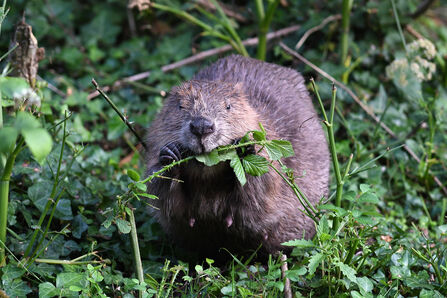
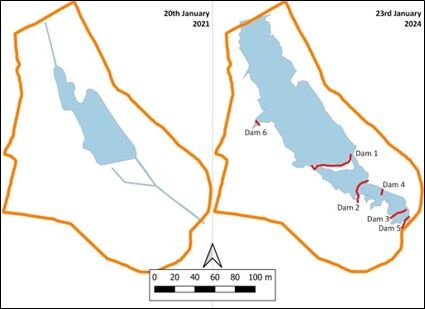
Since beavers were reintroduced to our enclosed site back in February 2021, the pioneering pair and their kits have used their ecosystem engineering capabilities to transform the site into a dynamic and complex wetland. Scientific research investigating the impacts the beavers have had on their environment has taken place throughout. Here we share some of the key highlights so far. 

Hydrological research findings


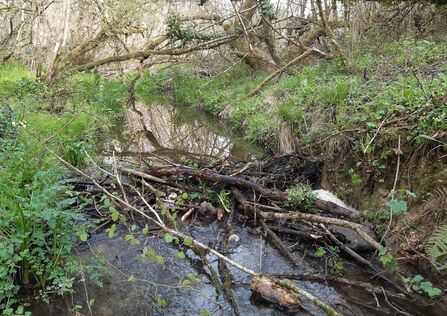
Research and analysis, undertaken by University of Exeter has helped to determine how the establishment of beaver dams at the project site is impacting water flow. Summary statistics showed that following the reintroduction of beaver, water moves through the area at a slower rate. Peak flows were reduced by up to 24 % following their return, and lag times (the time delay) from peak rainfall to peak flow were shown to increase by 91%. These results support evidence from other studies which indicate the role beavers could play as a nature-based solution for reducing downstream flooding. They demonstrate that beaver wetlands can be an effective part of natural flood management strategies by slowing the flow of water during storm events. 

We also found that beaver wetlands help landscapes become more resilient to other climate change impacts, including drought. Research supports evidence from other studies, highlighting the filtering effect beaver wetlands can have, particularly following heavy rainfall events.

A person undertaking hydrology research at Dorset Beaver Project

Steve Oliver

Ecological impacts

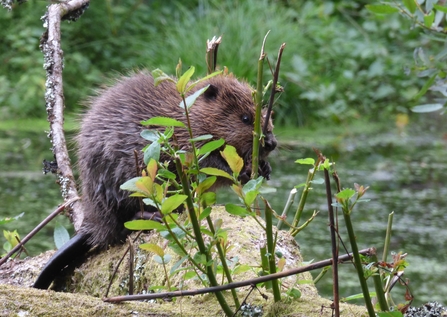
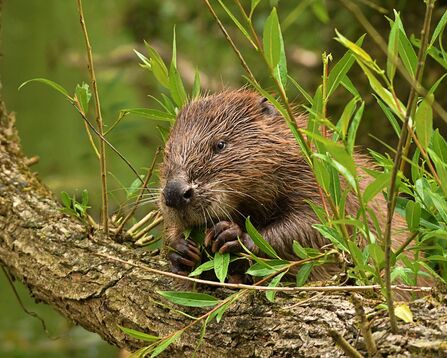
Beavers are a keystone species and can have a significant impact on plants and animals. As herbivores, beavers have a strong ability to impact and influence vegetation growth. Research at our site highlights a beaver's preference for foraging willow, within or near to water, both for food and for sourcing building materials. Beavers are semi-aquatic rodents, and they feel safer closer to water.

The structure of the tree community has changed in these areas, with beaver-coppiced trees showing fresh shoots, whilst an influx of light also allows for the germination of the local seed bank and the growth of a host of other plants. Light and water equal life, and as the beaver-modified wetland has expanded, and light has been let in, aquatic plants have flourished. 

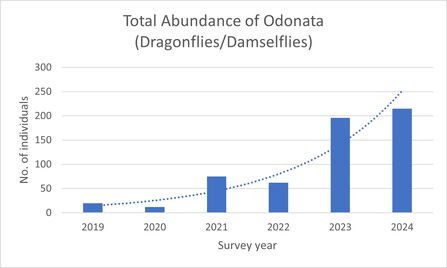
This has in turn provided a home for other wildlife. Freshwater invertebrates now have an underwater jungle to thrive in, with increases in the abundance of dragonfly and damselfly life being a clear example of this.

Other wildlife which seem to be benefitting from the impacts of beavers include amphibians, which now have more habitat in which to breed, and the amount of frogspawn found each spring is rising. Over 40 species of bird have been recorded at the project site with water-loving species including kingfisher now sighted more regularly, taking advantage of the abundant fish. Bat activity in some areas has gone up by over 1,000% following beaver reintroduction, clearly indicating the important role beavers and their habits must play within a freshwater ecosystem. 

Aerial view of beaver project site

Chryssa Brown

Future plans

Over 250 events have helped to increase our knowledge and understanding of what it means to have beavers back in Dorset. The Government has now established a process for licensing wild beaver releases and the first such licence in England was issued for Studland in Dorset. At Dorset Wildlife Trust, we are actively exploring the feasibility of a wild beaver release project in the River Hooke and wider Frome catchment area. We have launched a public consultation which is in full swing and a public survey which is open for everyone to have their say until 31 May 2026.

We are also holding three drop-in sessions over the next two months to which everyone is welcome to come along and find out more:

 Saturday 11 April from 9am – 3pm at Maiden Newton Village Hall 

Saturday 18 April from 9am – 4pm at Dorchester Town Hall at the Corn Exchange 

Saturday 2 May from 9am – 4pm at Wareham Corn Exchange  

I look forward to meeting you there!

Online Talk: Bring Beavers Back to Dorset

Sign up to this exclusive online talk from Steve Oliver, Dorset Wildlife Trust's Rivers Conservation Officer, who will be joined by Gen Crisford, Project Officer for Beavers and Wetlands for the National Trust. There will be exclusive updates on this local project, including exciting findings from the scientific research that has taken place.

Book Now