The Fingleton Review: Dorset’s Wildlife Cannot Afford a Step Backwards

The Fingleton Review: Dorset’s Wildlife Cannot Afford a Step Backwards

A new government report threatens to take away the protections that make legally protected sites and landscapes safe havens for wildlife, nature and people.

The newly published Fingleton Review, though focused on nuclear regulation, carries implications far beyond the energy sector. Ministers have already signalled an enthusiasm to expand its deregulatory approach beyond nuclear and could shape how major infrastructure projects and potentially wider development, impact our natural environment. For Dorset’s wildlife, that should ring loud alarm bells.

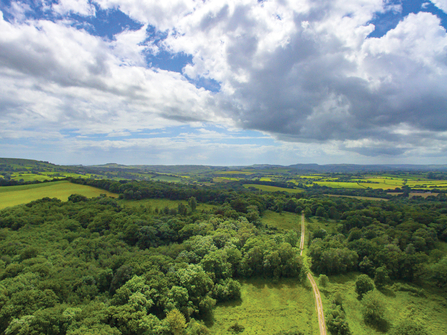
Three of the 44 recommendations in this report are highly concerning. Firstly, to weaken the Habitats Regulations which protect our most precious internationally important wildlife sites; secondly to allow developers to pay into a national nature fund instead of carrying out detailed ecological assessments and on-site mitigation; and thirdly to weaken protection for national parks like the New Forest and national landscapes such as we have in Dorset and Cranborne Chase. 

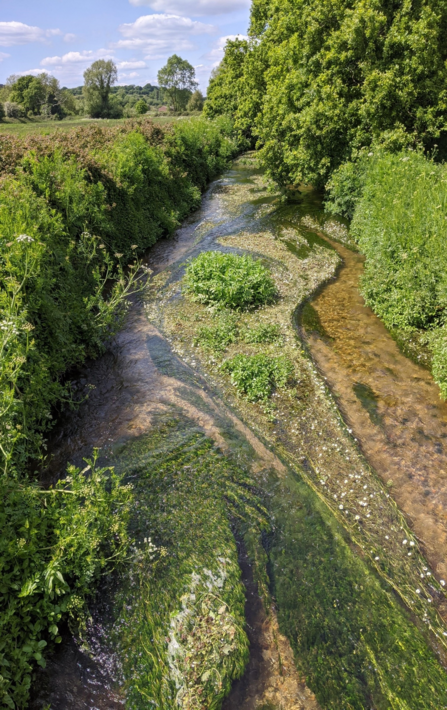
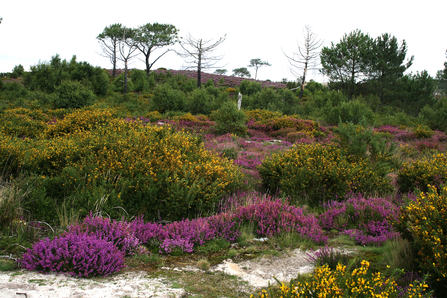
These changes would mark a profound shift away from the long-established mitigation hierarchy: avoid harm to the environment first, then minimise it (eg through re-design), then enhance and restore habitats on site, and only as a last resort compensate elsewhere. Dorset’s chalk streams, ancient woodlands and internationally important heathlands cannot simply be “offset” with a financial contribution. Once damaged, many habitats take decades to recover, and some may be lost forever.
The review also calls for shorter, more “proportionate” environmental assessments. While efficiency is welcome, the reality is that wildlife declines often stem from incremental, cumulative impacts. Weakening these safeguards risks undermining the very protections that have prevented further loss of Dorset’s rare species, from sand lizards to our globally significant heathland birds.

Perhaps most concerning is the message this sends: that nature regulation is a barrier to progress rather than the foundation of sustainable development. Biodiversity Net Gain was introduced to ensure development actively contributes to nature’s recovery. Yet the Fingleton approach could pressure policymakers to treat environmental responsibilities as little more than a predictable cost to be priced in and paid off.

As CEO of Dorset Wildlife Trust, I support efforts to streamline bureaucracy, but not at the expense of the irreplaceable natural systems that underpin our wellbeing, economy and resilience. Dorset’s wildlife and habitats are not obstacles to growth; they are assets that must be safeguarded.

We urge government to work with conservation experts, not bypass them, ensuring that any regulatory reform strengthens rather than weakens, the protections our wildlife urgently needs.

The recommendations of the Fingleton Review are not yet policy and we can’t let that happen. Please let Ed Miliband, the Secretary of State for Energy Security and Net Zero and your local MP know exactly what you think. 

Sign your name now