Protecting Dorset's heathland wildlife

Protecting Dorset's heathland wildlife

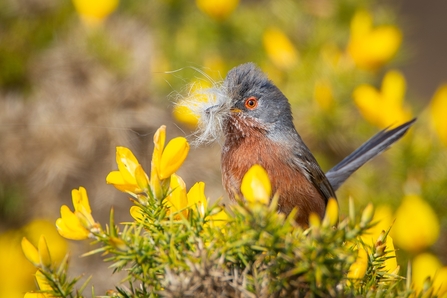
Chris Gomersall/2020VISION / Dartford warbler 


With decades of experience studying Dorset’s heathland, Dr Lesley Haskins explains why heather habitats are so vital — and why ground nesting birds need our protection more than ever.

Have you ever thought what unusual plants heathers are? They grow low on the ground like herbs and grasses and yet their stems are not soft like theirs, but hard and woody – rather as though they are tiny trees. This presents heathers with something of a problem, for when we stand on them, they snap off and die.

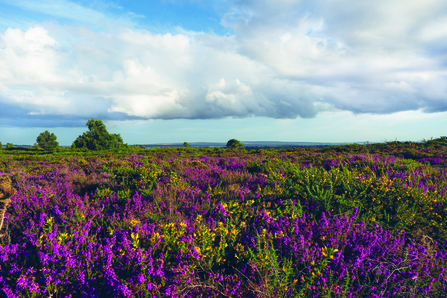
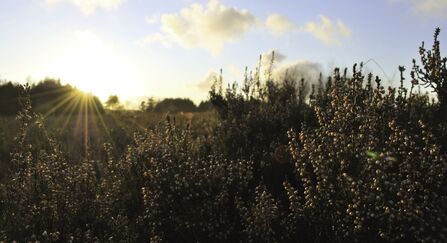
Heathers are correctly known as ‘dwarf shrubs.’ Lots of places in the world have habitats made up mostly of dwarf shrubs. The one we have here in Dorset is known as ‘Lowland Heathland’ - and although we are rather used to seeing it and so tend to think it commonplace, it is actually very rare on a global basis. There never was much of it in the first place, and so much of that has now been changed to other things that what little remains is very, very, special indeed!

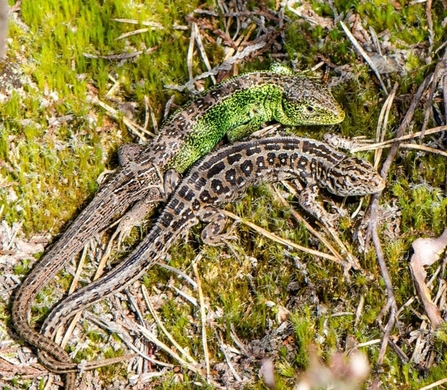
So, we do need to take great care of it. And because those heathers are so fragile and prone to snapping when stepped on, one of the main ways we can all help is by sticking to the main paths on our heathland walks and not be tempted to widen them by using the edges or make new ones by taking short cuts. This is not just important for the fragile heathers, it lessens the risk of disturbing the heaths’ several ground nesting birds, or squashing delicate burrows made by sand lizards and ground burrowing bees. 
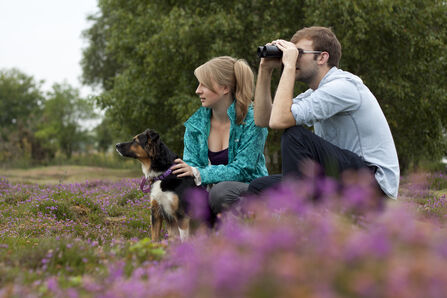
And it’s not just humans that can disturb heathland species; their dogs can also pose a threat. Walking your dog is a great form of exercise and can help achieve that all-important dose of nature therapy that we so often neglect. However, a dog’s naturally inquisitive nature can be extremely harmful to wildlife which can be highly sensitive to disturbance, particularly our ground-nesting birds found across our heathland nature reserves. 

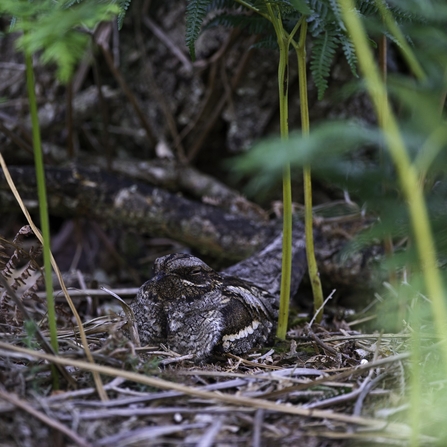
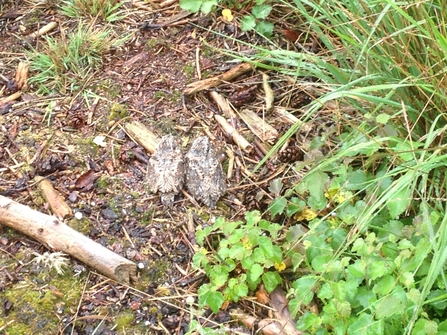
One bird that takes advantage of our heathland during breeding season is the well-camouflaged nightjar. Perfectly adapted to blending into the heath, this remarkable bird arrives each spring from its wintering grounds in Africa and is famed for its distinctive ‘churring’ call at dusk. Usually breeding from May to August, nightjars lay their eggs directly on the ground instead of building a nest, relying on their excellent camouflage for protection. Unfortunately, nightjar parents are easily flushed from their nests by even the friendliest of dogs, leaving their precious eggs and chicks vulnerable to predation.

Like the nightjar, the small brown Dartford warbler relies on mature, dry heath habitats in the UK for both feeding and breeding. Recognisable by its distinctive red eye-ring, cherry-red breast and long tail, this charismatic bird builds a grassy, cup-shaped nest beneath dense heather and compact gorse. There, it lays three to five eggs, hidden from view but sadly still at risk of accidental disturbance or trampling if people or dogs stray from the paths.

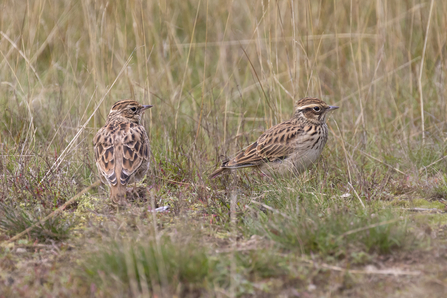
Another species vulnerable to disturbance is the secretive woodlark. Favouring southern heathlands, this stripy brown bird can sometimes be seen using scattered trees as lookout posts, distinguished by its buff-white eyestripe and small crest. A mostly resident species, woodlarks nest low to the ground within grassy tussocks or heather bushes, often creating only a shallow scrape, which makes their nests particularly easy to disturb without careful walking and responsible dog control.

Heathers are also vulnerable in other ways. They have a strong aversion to being fed with any nutrients - giving them any sort of fertiliser causes death and take over by invasive grasses. So, it is terribly important to always pick up after our dogs - and keep them to the paths too as those special birds sometimes nest close to the path sides.

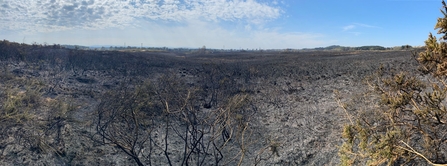
And finally, of course those dwarf shrub heathers are highly flammable so never ever drop a cigarette end, leave any glass, or be tempted to have a BBQ on or near any heathland. Our heaths are so special and so rare that they deserve to be there to be enjoyed by us for always.

Spring is nesting season on Dorset’s heathlands, where rare birds like nightjars and Dartford warblers raise their young. From March to August, please keep dogs on leads and stay on paths to avoid disturbing vulnerable ground‑nesting wildlife.