Wild Woodbury update

Wild Woodbury update

Seb Elwood / Wild Woodbury

Winter has been a productive season at Wild Woodbury, with signs of spring now beginning to emerge across the site. Alongside natural regeneration, hundreds of trees have been planted to expand the Community Food Forest - an exciting space that will support both wildlife and the local community. As it grows, this area will become a rich, shared resource, providing food, habitat and opportunities for people and nature to thrive together.

It’s been an exciting winter at Wild Woodbury for both people and wildlife. Now, hints of spring are appearing everywhere, yet there is a lingering sense of winter’s peace as we anticipate its colourful arrival.

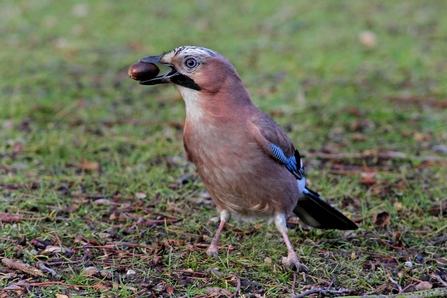
Winter was the perfect time to add to our Community Food Forest. With soil softened by days of rain and cool temperatures, there is no better season for planting trees. This differs from much of Wild Woodbury, where natural regeneration is allowed. This occurs in several ways: animals deposit seeds they have ingested in their dung, jays forgetfully bury shiny acorns, and seeds are carried on the breeze before settling on bare patches of earth. We’ve seen many species naturally regenerate in this way, including oak, ash, and willow. It’s exciting to watch them growing under the natural protection of dense brambles and brash.
The Community Food Forest covers around a hectare and is filled with a mixture of trees producing fruit, berries, seeds or nuts, along with a few other species. Still in its infancy, with most trees yet to reach a metre in height, the forest will become a haven for wildlife while also providing for the community. It is a special area that demonstrates how Wild Woodbury is a site where people and wildlife can flourish together. One day, when the trees are much bigger and laden with fruit, the community will be able to harvest a variety of produce to make Wild Woodbury jams, chutneys and cordials, while plenty will remain for wildlife to forage. Thrushes will relish the abundance of fruit, and mice will scamper away with nuts and seeds.

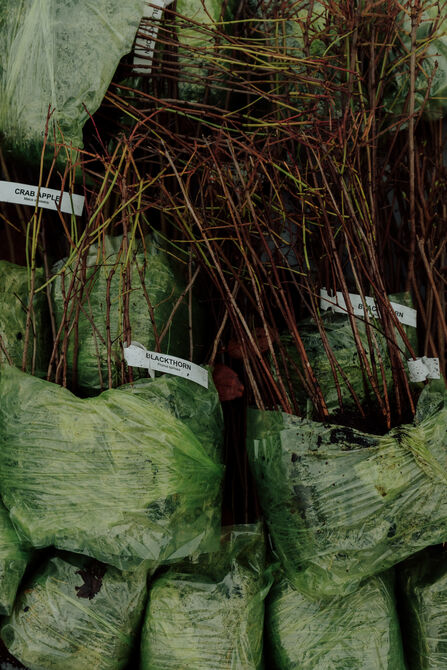
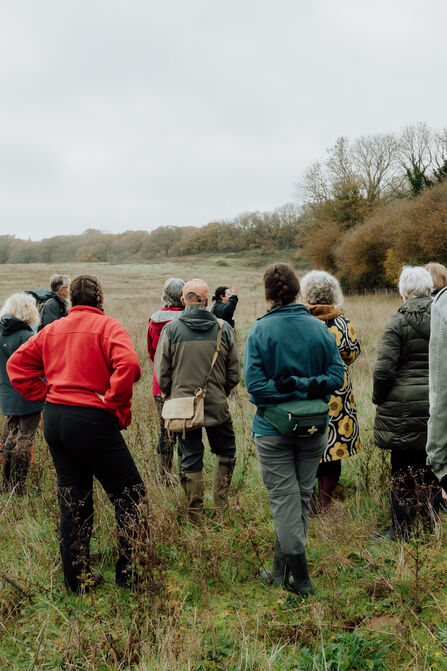
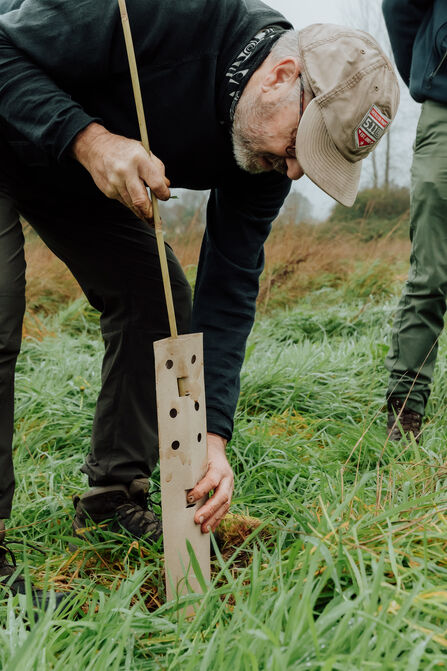
In 2023, 170 fruit trees were planted to kickstart the food forest. This winter, 420 trees were kindly donated by The Woodland Trust, and another 950 by The Conservation Volunteers. With help from the community on our Open Day in November and an incredible group of volunteers on a chilly day in January, all trees were swiftly planted, with environmentally friendly tree guards installed to give them the best chance of reaching maturity. Take a peek inside the tree guards when walking through the field, and you should see small trees awaiting their chance to grow into fruit-bearing trees. It’s exciting to imagine what the Community Food Forest will look like in years to come, and to anticipate the first jar of crab apple jelly from Wild Woodbury!

Trees in the Community Food Forest include elder, dog rose, hazel, crab apple, rowan, blackthorn, hawthorn, cherry, walnut, medlar, quince, plum, fig, mulberry, pear, blackcurrant, gooseberry, redcurrant. Plus, several different varieties of apple ideal for cooking, eating, juicing and making cider.