Save Upton Heath

Save Upton Heath

Help us save Upton Heath's internationally important habitat

A vital piece of Dorset’s precious heathland is at risk, and we have only a short window to act. 

At the heart of Upton Heath nature reserve, 110 acres of heathland have been placed on the open market, due to go to auction on 29 April 2026. This alone would be alarming. But the land is also being sold with an historic permission for mineral extraction, making it highly vulnerable to speculative buyers whose activities could permanently scar this fragile landscape. This is a rare and time-critical opportunity for us to secure and restore part of one of the UK’s most important and endangered habitats. 

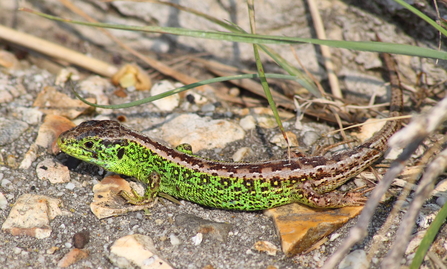
Lowland heath is irreplaceable. It supports rare wildlife such as Dartford warblers, sand lizards and smooth snakes, while also storing carbon, regulating water and providing space for people to connect with nature. But without urgent action, this opportunity could be lost - fragmenting the wider nature reserve and undoing decades of conservation work.

We’re working hard to raise the funds needed to purchase the land, but we can't do it without you. Your donation will help us to restore precious habitats, reduce fire risk across the heath, and safeguard this landscape for wildlife and local communities.

Donate now and save Upton Heath. 

How your support will help

Look after rare and unique species

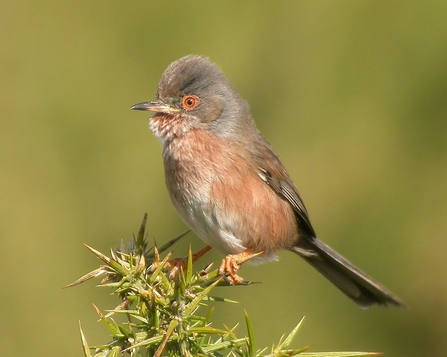
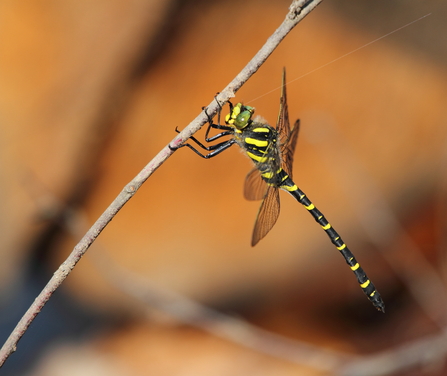
Upton Heath is home to a wide variety of species, including all six native reptiles, sixteen species of dragonfly and ground-nesting birds such as nightjar and Dartford warbler.  

Many of these species rely on the special and protected habitats that heathlands such as Upton Heath provide. One such example is the extremely rare sand lizard, which has declined due to the loss of heath and dune habitats. Sand lizard reintroduction and support has been key to Dorset Wildlife Trust’s Species Recovery Programme.

Ground-nesting birds such as the Dartford warbler and woodlark also rely on mature, dry heath habitats in the UK for both feeding and breeding. These species lay their eggs in the spring on the ground within grassy tussocks or heath bushes, requiring careful management of the land to prevent accidental disturbances. 

Restore important peatland

Dorset Wildlife Trust is part of the Dorset Peat Partnership, dedicated to restoring wetland and peatland across Dorset, including at Upton Heath. 

Peat forms at an incredibly slow rate, accumulating on average only 1mm a year - it takes 1,000 years for one metre of peat to form! 

Dorset's peatlands are a mosaic of rich and diverse wetland habitats, bogs, mires and fens spread across our lowland heath habitats. They are internationally recognised for their ecological significance and are an important natural solution to the climate crisis as they store carbon, but also help to slow and reduce flooding.

Due to fragmentation of wildlife habitats caused by land use change for development, forestry and agriculture, most of our Dorset heath sites are highly degraded and in poor condition, impacted by drainage. This has disrupted the natural hydrological system of our wetland habitats making them much drier and less effective for forming peat.

Conserve a key area of lowland heath

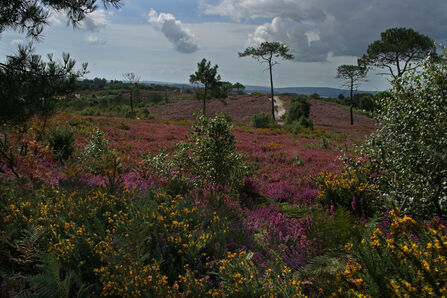
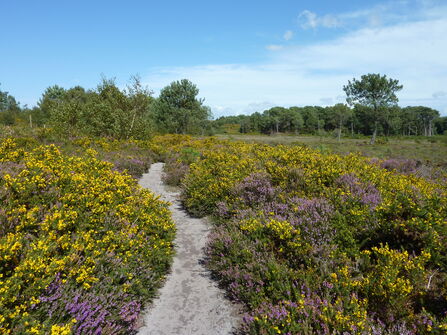
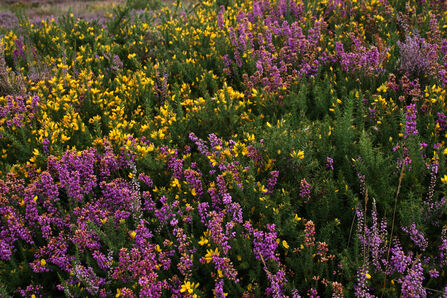
Lowland heath is a unique and increasingly rare habitat, found at Upton Heath - characterised by heathers, gorse and grasses. Such heaths generally support relatively few plant species, and a lack of competition allows lichens to flourish, creating a unique habitat able to support a variety of rare wildlife species.

However, lowland heathland requires some human intervention to persist, as nutrients gradually accumulate allowing larger, more vigorous plants to become established at the expense of smaller, less competitive species. This results in heathland eventually developing into birch or pine woodland if left to its own devices. 

This habitat needs constant management to ensure the optimum conditions for specialised heathland species and requires regular scrub or bracken cutting, tree removal, creation of fire-breaks and bare sandy tracks, as well as grazing animals to help keep vegetation growth in check. 

Ensure ongoing positive management of the area

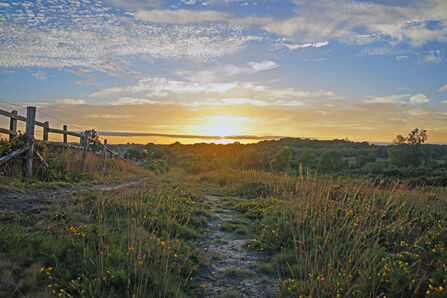
Upton Heath is a high-quality natural greenspace, relied upon by the surrounding communities and steeped in human history. It owes much of its undulating character to quarrying for the pottery and brickmaking industries that developed around the heath. 

However, the parcel of the site available for sale has suffered following the end of previous conservation management, leaving it vulnerable to damage by fires, visitor impacts and anti-social behaviour.

An acquisition of the land by Dorset Wildlife Trust would mean ongoing positive management of this important heathland, including regular scrub and bracken cutting and the creation of fire-breaks, allowing the public to continue to enjoy this beautiful and internationally important heathland. 

If we can't purchase the land

If we are unsuccessful with the land acquisition, the funds raised thanks to your generous donations will be spent on the ongoing land management and conservation work on Upton Heath nature reserve.

Donate to save Upton Heath

£
Type of donation