
Anona Dawson / Charlton Down Nature Area
Charlton Down Nature Area
Charlton Down Nature Area
Charlton Down Nature Area is a protected place for wildlife set aside for the community of Charminster Parish to enjoy. The area was originally just an agricultural field, but in 2008 it was transformed into a public amenity space, with a pond, trees, and wildflower area. At first, it was laid out as a pleasant picnic spot with large expanses of mown grass. Unfortunately despite best efforts, the place declined over the years and the pond became irreparably vandalised. As a result a few years ago, a group of Charlton Down villagers decided to restore the pond and to rewild the area - with an emphasis on conserving the existing flora and fauna and making the place more biodiverse by increasing the types of habitats and refuges. This then is a story of nature recovery in action.
To be honest, in some respects the area had fallen into decline and failed to reach its full potential since 2008. But now we are trying anew to make the Charlton Down Nature Area the best possible place to support the greatest variety of wildlife, while at the same time making it accessible for visitors to enjoy and to understand nature.
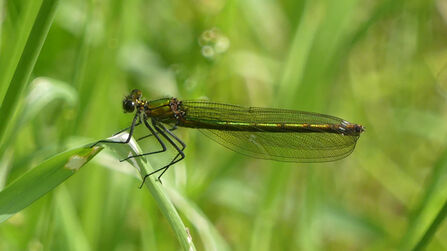
Jessica Winder / Downy emerald
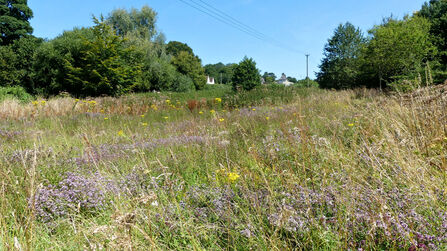
Jessica M. Winder / Wildflower meadow at Charlton Down Nature Area
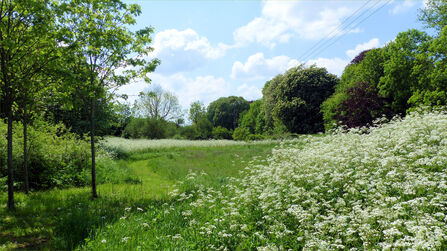
Jessica M. Wider / Charlton Down Nature Area in spring
How do you involve others?
The community really came together and wanted to rewild the area. We now have a dedicated gang of people who are up for getting involved in lots of hands-on practical tasks to manage the area for wildlife. The Parish Council have been really supportive of us. It’s been fantastic, more people now come here and sit on the bench or walk around, just enjoying the space. We have a website with blog for the community to see what has been happening here; and we also have a Facebook page for events and updates on which plants and animals can be seen. Our volunteers meet up on site to carry out practical improvements, and we hold meetings to plan our progress.
What have you done for nature so far?
At least a third of the site was at one time cut short every fortnight, which minimized the amount of habitat available for wildlife. It also encouraged the view that the site was mainly for recreational use, rather than a nature sanctuary. The community wanted to rewild the area and the Parish Council was really supportive of this. We changed the maintenance regime and decreased the mown area, keeping areas of different grass heights for wildlife, leaving narrower, shorter, mown pathways for people to walk around. The council and community need some areas to be clear for access, but generally we are all happy to have less mowing on the site, including the marginal plants and animals! In future we are hoping to learn scything techniques to better manage the wildflower areas ourselves.
As lovely as this area of long grass is that we’re looking at here, at some point we might convert it into a spring meadow, so early flowering plants like orchids, bluebells, things like that; because the wildflower meadow in the middle of the site is mostly summer flowering. The first flowers you’ll see each year are cow parsley and oxeye daisy; and we have trees around us, so there are things that we can plant in and around the trees as well.
We have completely restored the pond, which was sadly neglected and in a bit of a state. The community built the original pond, but it was quite deep, steep sided, and suffered from vandalism. It took years to obtain funding and there was some opposition at first because of cost and construction difficulties. But we persevered, believing in the immense value of ponds for wildlife and the pleasure they give to people.
The Parish Council held a vote and on the evening of the vote, a huge number of people turned out to vote in favour of restoration. We had advertised the voting day on Facebook. It shows how much local people wanted the pond. It’s absolutely wonderful!
The sticking point for the Council was how we were going to fill the pond with water, as transporting gallons of water to the pond was going to be too expensive. So, we asked the local fire brigade who said they would use it as a training exercise. They used two fire engines and took water from the River Cerne which flows to the west of the village.
We used a butyl liner and saved the creatures, plants and remaining water from the old pond in temporary holding tanks. The redesigned pond now has shallow marginal areas, and large rocks around the perimeter for more habitat diversity. We also created a bog habitat next to it which receives water only when the main pond overflows.
The site did look very messy during construction but has fully recovered now. We replaced all the creatures and pond weed into the new pond and then just left it to settle. Sometimes the linked bog habitat becomes flooded, but the water there just drains away very slowly, and the new plants we have introduced to it are species adapted to marshy ground and fluctuating water levels.
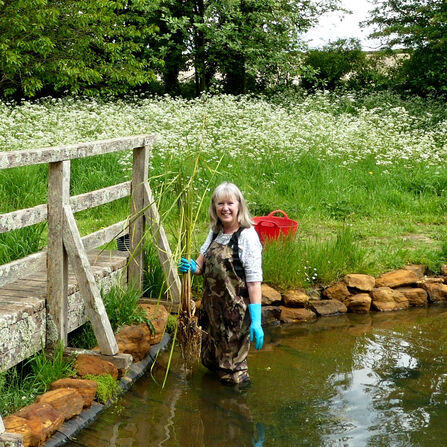
Jessica M. Wider / Volunteer planting at Charlton Down Nature Area
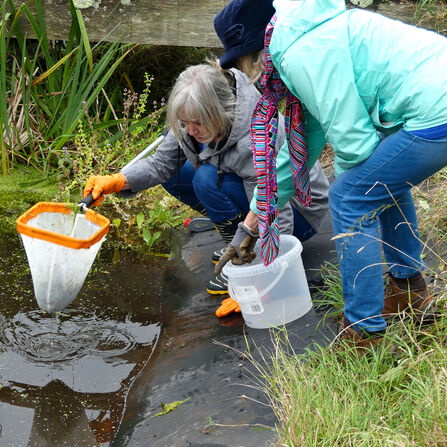
Jessica M. Wider / Volunteers looking for pondlife at Charlton Down Nature Area
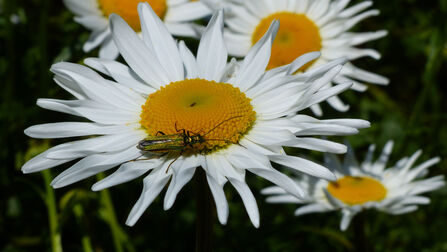
Jessica M Wider / Pollen rich oxeye daisies
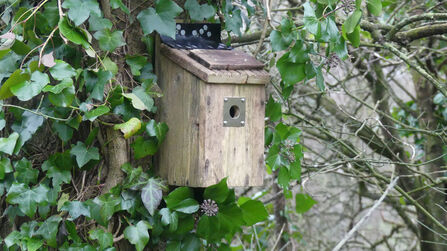
Jessica M Wider / Renovated bird box at Charlton Down Nature Area
What do you plan to do next?
We are interested in doing more environmental surveys and we need ongoing help from experts who can do mammal surveys for instance. We are doing our best to conduct a baseline survey and have some knowledgeable people here, but we are always on the lookout for others to come and join us. We have a new light trap to survey moths, and some people are recording bat sounds and installing bat boxes. We have built special hiding places for reptiles and amphibians, and log piles for invertebrates.
Somebody who was walking in the Nature Area found a type of oil beetle the other day! Oil beetles are incredible and under threat. They need our help!
Some volunteers are really interested in birds too, and they have contributed to our species list for the site and have already restored and put up 17 bird boxes. Building a dead hedge boundary on the site is our next big winter project. You can find lots more information on our website.

Jessica M Wider / Pond at Charlton Down Nature Area
Working together for nature’s recovery