Citizen science - have fun and get your geek on!

Citizen science - have fun and get your geek on!

From spotting neighbourhood swifts to monitoring river health, there are so many ways you can get involved in helping scientists better understand and conserve our precious wildlife. Read Dorset Wildlife Trust volunteer Mitch Perkins' blog and discover how citizen science projects are making a real impact in Dorset, and how you can get involved.

Do you love butterflies? Are you concerned about the health of our rivers? Fancy learning to identify bees? Want to help our understanding of the natural world? If the answer to any of these is ‘yes’, then there will be a citizen science project out there for you! Whether you are a beginner, an expert, or anything in between, everyone can take part in citizen science. You just need a passion for wildlife and a desire to help nature’s recovery.

Citizen science projects are carefully designed to contribute to our understanding of a changing world. Whether it’s looking at the impacts of climate change, levels of pollution, or the distribution of certain species, scientists need lots of good-quality data to report on the health of our environment. With the best will in the world, researchers can’t be everywhere all the time – this is where citizen science can help.

One of the longest-running projects available is the UK Phenology Network. Phenology is the timing of natural events – usually the first cuckoo calling or the first tree blossom – with records going as far back as 1736. The network is incredibly important for understanding the impacts of weather and climate on UK wildlife, and since 1998 the Woodland Trust has been inviting people to contribute to ‘Nature’s Calendar’. It’s not just the timing of wildlife events in spring, but also throughout the year – there is a handy poster to show what to look out for and when. It’s easy to do and something the whole family can get involved with.

Wild cherry blossom

Alan Price / Wild cherry blossom

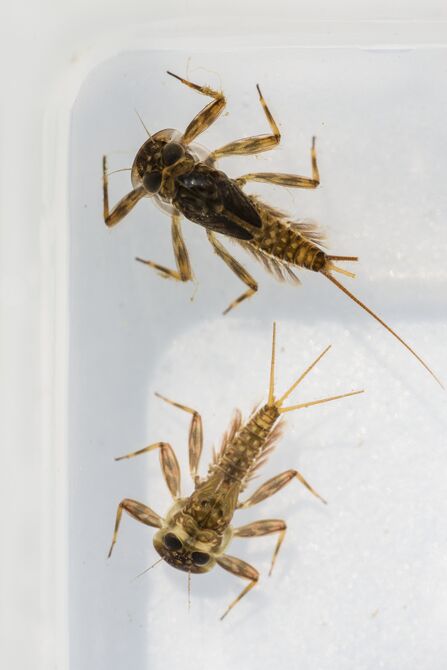
Did you know we can assess the health of our rivers by looking at what insects live in them? If you can spare an hour each month and fancy brushing up on your invertebrate knowledge for the sake of our waterways, then the Riverfly Monitoring Initiative could be for you. Coordinated by Dorset Wildlife Trust, volunteers are trained on how to collect a riverfly sample and identify eight invertebrate groups. A target score, known as the ‘trigger level’, is set for each river monitoring site, and monthly samples are used to check all is well. If a sample dips below the trigger level, this could indicate a pollution incident, and the information is passed to the Environment Agency for further investigation. For those curious about some of the other ‘wrigglers’ in the sample, there is an opportunity to learn to identify 33 invertebrate groups as part of the ‘extended riverfly’ project.

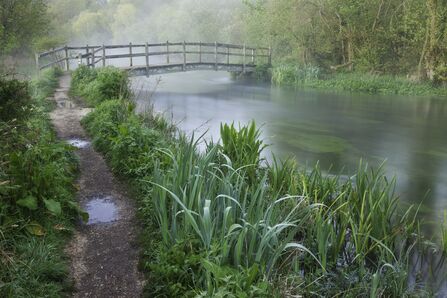
Understandably, poring over a tray of river invertebrates isn’t everyone’s cup of tea, but if going for a stroll along your local river sounds appealing, then consider becoming a Water Guardian. You will receive training on how to spot signs of different types of river pollution and how to report them, and then be able to contribute whenever is best for you. Ideally, at least twice a month, this survey could be done with friends, family or solo. Dorset Wildlife Trust would also be interested in any wildlife reports, especially signs of non-native invasive species. This is a great opportunity to have a real impact in your local community and on the environment.

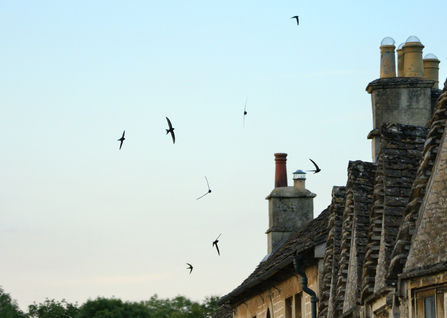
Don’t be put off if you live in an urban area or are just starting out as a citizen scientist – there are still plenty of opportunities to get involved. A good starting place is The Natural History Museum’s citizen science hub – this helpfully lists projects according to season and could be a great ‘pick list’ if you are looking for something to do over the summer holidays. For example, the RSPB is keen to know the distribution of nesting swifts. These iconic aeronauts spend most of their lives on the wing, only touching ‘land’ to nest in cliffs and tall buildings. Sadly, they are declining in numbers, principally because of the loss of nesting sites in old buildings. Understanding where swifts currently nest helps local groups focus on the best places for swift boxes and engage with homeowners who provide ‘Air B&Bs’ for this amazing bird. The RSPB Swift Mapper has all the information you need.

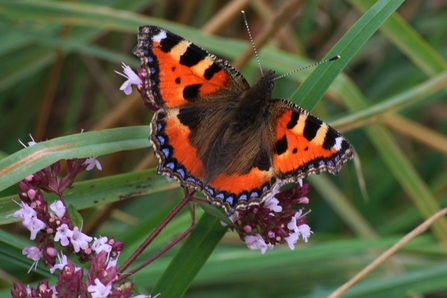
Another summer citizen science project is the Big Butterfly Count, run by Butterfly Conservation. This year, it runs from 17 July to 9 August, and all you need to do is record the number of butterflies and moths you spot within 15 minutes. These records give an overview of how our butterflies and moths are faring nationally, year on year.

The projects mentioned here are just a few of the many different citizen science projects running across the UK – from bats to bees, garden ponds to pollinators in your garden, there’s something bound to spark your interest. If you would like to make a real contribution to understanding and conserving the UK’s wildlife, and have fun learning in the process, then please consider doing a bit of citizen science!

Volunteering with Dorset Wildlife Trust