How nature can help answer the drought and wildfire challenge

How nature can help answer the drought and wildfire challenge

As Dorset faces hotter, drier summers alongside more frequent extreme weather events, the need to build resilience into our landscapes has never been greater. Nature-based solutions are increasingly recognised as an important part of the response, helping to restore natural processes that can reduce flood risk, improve water quality, support wildlife and retain water in the landscape during dry periods.

This summer has been a stark reminder that the UK is becoming hotter, drier and more vulnerable to drought and wildfire. Dorset is not immune. If we are serious about adapting to increasingly extreme summers, we need to rethink how we manage our landscapes. And the answer is not less nature, but more of it.  

For generations, we have drained the land and straightened rivers to move water away as quickly as possible. Wetlands have disappeared, soils have dried out and rivers have been constrained. Across Dorset, restoring these natural systems offers a powerful way to rebuild resilience. 

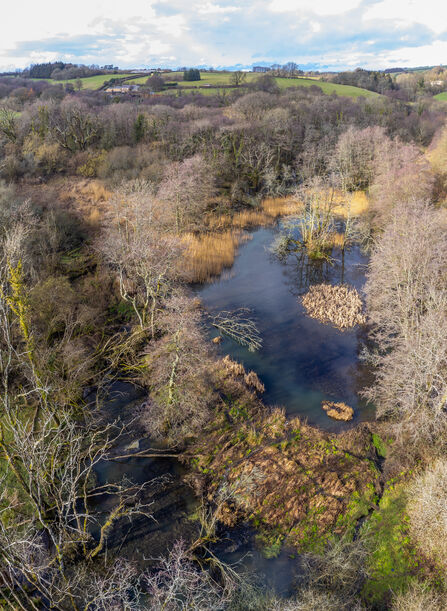
The work at Wild Woodbury shows what this can look like in practice. The rewilding project is restoring a landscape at scale, allowing natural processes to return while demonstrating how healthier soils and wetland creation can help hold water in the landscape. Not only has this resulted in a remarkable upturn in species, but early indications show an improvement in water quality, an increase in the carbon stored in the soils and, when the rain does come, less flooding on nearby roads.  

7 volunteers sawing wood and working around a wetland to restore the river

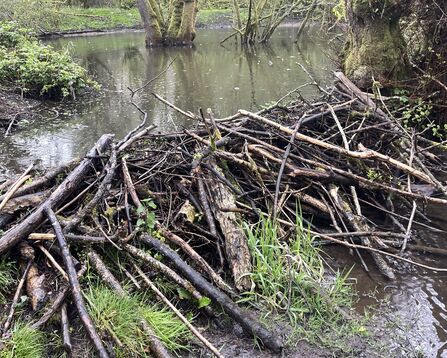
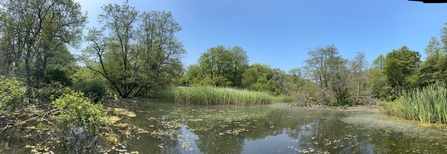
Beavers are also an important part of this story. The Dorset Beaver Project has proven that their dams slow the movement of water, that the ponds and wetlands they create provide habitats for a remarkable range of wildlife and that their activities clean the water as it passes through the site. Our findings have added to growing evidence that these natural engineers can help restore wet landscapes and influence our ability to cope with both drought and heavy rainfall.  

This matters because Dorset needs landscapes capable of dealing with extremes at both ends of the weather spectrum. Wetland restoration can help retain water during dry periods, reduce the speed and volume of runoff during intense rainfall, and create richer habitats for wildlife. 

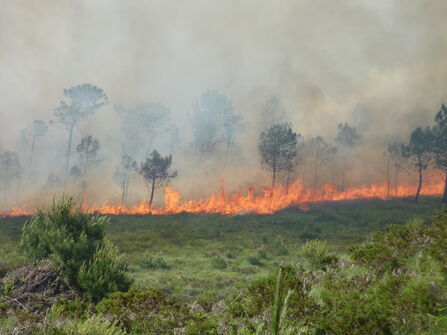
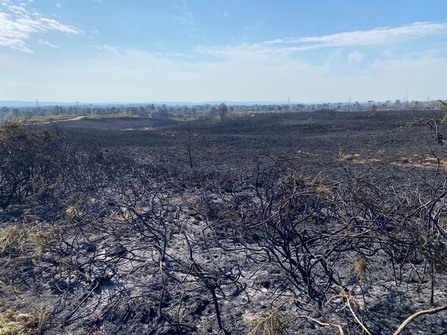
Nature-based solutions can also play an important role in protecting landscapes from heathland fires. The devastating fire at Upton Heath last year offered a powerful local reminder. Areas of wetter peat and sphagnum appeared to show scorch marks across the tops of vegetation rather than being burnt right down to the base, suggesting that greater moisture content may have helped slow the fire’s impact. The recovery of these wetter areas has also been notably rapid compared with typical summer burns, where vegetation and seed banks can suffer much greater damage.   

These observations challenge claims from some commentators that nature itself and rewilding increases wildfire risk. In reality, we need landscapes that retain more water and are naturally more resilient to fire as part of their nature recovery plans, and it is hard to think of any scenario where land managers using rewilding techniques at scale will not be managing water in this way, this is the whole point of nature recovery schemes that let natural processes take a lead.  

The vast majority of fires defined as ‘wildfires’ in England are human-ignited, whether through arson, negligence or accident, and are becoming worse due to climate change impacts, according to The National Fire Chiefs Council, the UK Health Security Agency, The London School of Economics and many others. The real challenge is adapting to hotter, drier conditions while managing the causes, risks and consequences of fire. At Dorset Wildlife Trust we have been working with the Dorset Heaths Partnership and Dorset & Wiltshire Fire and Rescue Service for years to ensure we have fire plans for our sites, which sadly we have regularly had to make use of. We strongly support efforts to reduce fire risk though banning single-use barbeques.

Dorset should therefore look to nature-based solutions as part of the long-term answer. From beavers restoring wetlands, to re-wetting peat and sphagnum habitats and restoring rivers to their natural flood plains, healthier landscapes can hold more water and recover more quickly from extremes. We have nothing to fear from restoring natural processes — and much to gain. A landscape richer in wildlife can also be a landscape more resilient to wildfire, drought and flooding, and ultimately safer and better for us all.

Learn more about rewilding at Wild Woodbury 

Sign up for updates on the Beaver project