

From the Chief Executive and Chair of Trustees
It has been an exceptionally busy and successful year for Dorset Wildlife Trust as we continue striving towards our vision to create more space for nature and inspire more people to value and protect Dorset’s wildlife. Read about some, but by no means all, of our achievements in this report.
Across the county, our staff, volunteers, partners and supporters have worked tirelessly to restore habitats, strengthen species recovery and connect communities with the natural world. Dorset is a county buzzing with networks of people who care deeply about wildlife, and that reveals itself every day in the many local groups that form in our towns and villages to preserve the wildlife in their area, and in the tremendous backing Dorset Wildlife Trust receives from its members and supporters. This collective effort provides us with reassuring validation that the work being done to create a wilder Dorset is important, purposeful and making a real difference for wildlife and people across the county.
This year saw ambitious conservation projects delivered at landscape scale, from restoring wetlands and peat habitats at Winfrith to improving rivers, reconnecting floodplains and creating new wetland features across our reserves. Through the Dorset Wild Rivers partnership, thousands of people engaged with nature recovery initiatives, while volunteers helped monitor river health, report pollution and collect vital scientific data shaping conservation action across Dorset. At Brownsea Island, habitat improvements created new nesting opportunities for terns, while record spoonbill numbers demonstrated the growing importance of our reserves for wildlife.
At the same time, we continue to face immense and interconnected challenges: climate change, pollution and the loss of biodiversity. These are complex problems with no single solution, requiring resilience, innovation and long-term commitment. To be successful, we must keep our focus on the main goal while adapting our practices, learning as we go and encouraging experimentation and collaboration. You can see this approach in projects such as Wild Woodbury and Lyscombe, where new ideas and techniques are helping shape a more resilient future for nature recovery in Dorset.
Our visitor centres and reserves welcomed growing numbers of people seeking meaningful experiences with nature, hosting events, activities and educational opportunities that inspired audiences of all ages. From protecting Dorset’s seas and rivers to supporting community-led projects in churchyards and villages, this year has shown the power of collaboration and collective action.
Together, we are creating momentum by focusing on what we can do rather than what we fear. By strengthening our organisation, embracing new opportunities and continuing to connect more people with nature, we are making meaningful progress towards a wilder, more resilient Dorset where both wildlife and people can thrive. In the words of Whitman, “keep your face always toward the sunshine and the shadows will fall behind you.”
Brian Bleese (Chief Executive) and Lisbet Sherlock (Chair of Trustees)
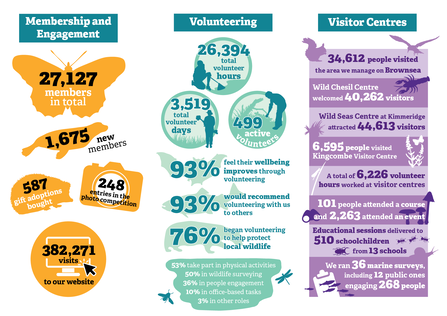
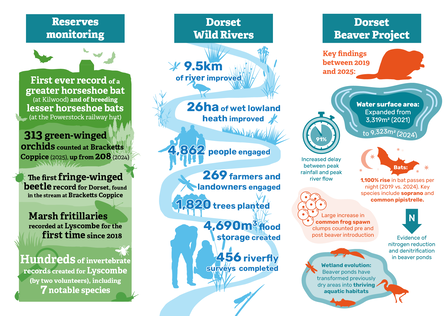
Highlights from 2025-26
So much has been achieved in the last twelve months - from restoring Dorset's wetlands and planting trees to engaging with more people at our visitor centres.
Planting trees across Dorset
Over the past year, we have planted over 5,000 saplings across our nature reserves including Happy Bottom, Ashington, West Holme, Lyscombe, Kingcombe, Peascombe, and Wild Woodbury.
This work has been largely supported through the Species Survival Fund project, alongside generous contributions from private donors and grant funding. A diverse mix of 18 native tree and shrub species including oak, rowan, hazel, dogwood, crab apple, wild cherry, hornbeam, elder, hawthorn, and disease-resistant elm have been planted. These species were carefully selected to enhance local biodiversity by providing vital food sources and shelter for wildlife. In the longer term, as these trees mature, they will create much needed shady and sheltered areas for wildlife, livestock, staff, volunteers, and visitors during periods of summer heat.
Planting has focused on areas of previously low biodiversity value, with an emphasis on restoring ecological connectivity. New woodland planting at West Holme has been used to link two existing wooded areas together, while over in the west, hedgerow creation has helped to divide fields into smaller parcels and re-establish historic landscape boundaries. These interventions contribute to a more resilient and wildlife-rich landscape.
Sustainability has been central to the approach. Eco mats made from plant fibres and hessian were installed to support the saplings establishment, alongside biodegradable tree guards. These guards are made from PLA plant polymers derived from renewable sources such as corn, bamboo, wheat, and sugar cane. They remain durable in field conditions for years before naturally breaking down, eliminating microplastic pollution and reducing the need for future removal, saving valuable staff time.
This year’s planting efforts have been a true collaborative achievement. Contractors, staff, volunteers, and families all contributed to planting days, often working in soggy conditions where wellies were essential. Their collective effort has played a key role in delivering meaningful environmental improvements across our sites.
Our visitor centres
Things continued to move at pace across our visitor centres, which welcomed over 90,000 people and hosted 157 public events and activities.
Stronger advertising and smoother event bookings helped deliver an excellent year, with attendance rising by 57% across a diverse programme including wildlife walks, owl‑pellet dissections, watercolour workshops, and seashore scavenger hunts.
At the Wild Chesil Centre, we enhanced the outdoor space by replacing and upgrading the planters, installing a roped fence to guide visitors while protecting the reserve, and designing new interpretation soon to be installed. With wildflowers flourishing around the centre, we established a new UKBMS butterfly transect, surveyed weekly from April to September. Last year, we recorded 23 species, including an impressive 1,224 meadow browns.
With funding secured, planning permission has now been submitted for a new bird hide overlooking the Fleet, designed to boost engagement opportunities while helping to reduce recreational pressure on the site.
Monthly Seawatch events continued to be a firm favourite, with spectacular bluefin tuna sightings and common octopus frequently reported along Chesil. We also launched a new public boat survey, enabling people to identify marine mammals while gathering valuable data on Dorset’s dolphins.
At Kingcombe, the riverside boardwalk became unsafe due to rotting timbers and remains closed while we seek funding for its replacement. We plan to use the opportunity to redesign the structure so that school groups can better experience the river Hooke.
Following a review of our regular sessions at Kingcombe, we relaunched a monthly themed walk on Kingcombe National Nature Reserve, led by guest experts including our own knowledgeable trustees, and these have quickly become extremely popular.
At Lorton Meadows Conservation Centre, we secured funding to deliver 12 community engagement sessions for nearby residents, helping raise the profile of the reserve and our conservation work among a key local audience.
Securing Dorset’s wild places for the future
Nature reserves have always been at the heart of Dorset Wildlife Trust’s work. Protecting the very best places for wildlife is essential, as these special landscapes act as strongholds for biodiversity and refuges for threatened species. By owning and managing land, we can safeguard it for nature and people forever, ensuring these precious spaces are protected, restored and cared for generations to come.
Owning and protecting land is one of the most powerful ways Dorset Wildlife Trust can secure a future for nature in Dorset. By acquiring nature reserves and safeguarding them in perpetuity, we can ensure that vital habitats remain protected and managed for wildlife for generations to come. Nature reserves also play a crucial role in creating bigger, better and more connected landscapes, allowing species to move more freely and ecosystems to become more resilient in the face of climate change.
Long-term ownership gives us the ability to carefully plan and deliver habitat management over many years, restoring natural processes and responding to the changing needs of wildlife. It also strengthens relationships with neighbouring landowners and communities, helping to inspire wider landscape-scale conservation beyond our reserve boundaries. Just as importantly, our reserves provide accessible spaces where people can experience nature first-hand, volunteer, learn new skills and build meaningful connections with the natural world, helping create healthier communities and stronger support for conservation across Dorset.
When we launched our strategy, A Wilder Dorset by 2030 in 2021, we set an ambitious goal to increase the area of land we own and manage for nature by 50% before the end of the decade. Since then, we have secured major new sites including Lyscombe and Wild Woodbury, alongside significant extensions to existing reserves such as Kingcombe Meadows, Tadnoll & Winfrith and Bracketts Coppice. By the end of 2025, we had already achieved this target, securing more than 1,500 acres of additional land for nature. These acquisitions represent a major step forward in creating more space for wildlife to recover, helping build a healthier, more connected landscape that will benefit both people and nature for generations to come.
Winfrith Wetlands
The Dorset Peat Partnership and the Species Survival Fund (SSF) project carried out collaborative restoration works on the Tadnoll & Winfrith nature reserve, aiming to restore natural hydrological processes and improve floodplain connectivity across the site.
Using their respective funding grants, the Nature for Climate Peatland Grant Scheme targeted two woodland blocks of wet heath habitat adjacent to the area known as Prison Fields. Measures to increase the supply of water onto the southern and northern peat areas included lowering and infilling 110 metres of the dividing earth bank bunds between the peat areas and Prison Fields and removing a volume of regenerative birch. The de‑stumped trees were then cut using a specialist tool to create woody‑debris nests, providing valuable structure for the colonisation of vegetation plant communities such as sphagnum moss, and helping accelerate natural recovery.
The impact has been immediate, with permanent rewetting now visible across the site. This renewed water retention will help restore peat forming vegetation and effectively lock in carbon, while the expansion of wetland habitat will support a wider range of wildlife species within the reserve and strengthen long‑term ecosystem resilience.
The SSF‑funded works targeted the flow sources from the newly acquired land at Nutley Farm onto Prison Fields, where intensive agricultural use had left the landscape heavily drained through deep ditches. The restoration approach involved blocking 300 metres of drainage ditches at key points by pushing in ditch embankments and infilling with spoil and woody debris. As a result, the local water table has been reconnected to the wider floodplain, slowing the flow of water off the landscape and rewetting the area from Nutley Farm right across Prison Fields, creating a more naturally functioning wetland system.
Living Churchyards
Through the Living Churchyards project, Dorset Wildlife Trust has been advising communities on how to boost biodiversity in burial grounds – often remnants of rare grassland habitat – for over 30 years.
Burial grounds have typically been left undisturbed for centuries – not ploughed, fertilised or developed upon – and can therefore be vital havens for a variety of wildlife. A diverse sward of wildflowers can bloom, rare and slow-growing lichens colonise centuries-old stonework, and ancient yews stand resolute, sheltering tiny insects and nesting birds. Often at the heart of a village or town, they can be important stepping stones for wildlife moving across the landscape.
We want to see more burial grounds managed to maximise their natural potential. In November, we presented at the Bishop of Sherborne’s breakfast event at Kingston Maurward – a fantastic opportunity to spread the word. It was wonderful making new connections and seeing the audience (members of the clergy, community and civic leaders, charity workers and more) so engaged. Any community member can get involved – churchgoer or not.
The project’s success is driven by a network of support and idea-sharing, and this is getting stronger. A new quarterly newsletter shares peer-to-peer updates along with resources, events and practical tips. Our work complements other initiatives such as A Rocha’s Eco Church, and more locally, we have begun collaborating with Salisbury Diocese.
Of course, we like to get out on the ground too. Our fantastic volunteer Churchyard Advisors have continued visits across Dorset, and we attended community events including the Bridport Parish Green Day, and Winterborne Houghton and Marnhull summer fetes.
Eight churchyards are even Sites of Nature Conservation Interest (SNCIs) because of their notable plants. We therefore work with landowners to advise on maintaining and enhancing this value. In 2025, St Mary’s churchyard in West Moors was made an SNCI for its beautiful population of green-winged orchids.
Protecting Dorset’s seas
Last year saw the global release of Ocean featuring David Attenborough on 8 June, World Ocean Day. The following day, the Marine Management Organisation opened a consultation on bottom trawling within offshore Marine Protected Areas (MPAs), including sites off Dorset. Alongside fellow wildlife trusts, we campaigned on the back of the film and are still waiting to hear the outcome. A few weeks later, Southern Inshore Fisheries and Conservation Authority announced the 2023 Bottom Towed Fishing Gear Byelaw, updating an earlier byelaw to encompass additional protected areas designated in 2019. Now most, but not all, of the seabed within Dorset’s inshore MPAs is safe from the direct impact of mobile fishing gear.
In supporting these byelaws, we depend on reliable evidence, much of which comes from our committed and knowledgeable volunteers, including Seasearch divers and Shoresearchers. Seasearch in Dorset celebrated its 30th birthday this year, and their valuable contribution was marked by recognition as Coastal Champions at Dorset Coast Forum’s 30th anniversary conference.
Our seas are changing – the recent proliferation of octopus and the re-appearance of bluefin tuna are testament to that. A group of bottlenose dolphins that used to call Cornwall home have spread their range along the south coast,and have been spotted as they pass through Dorset. Our marine team spent a week aboard Plymouth University’s research sailing yacht Take the Helm, travelling between Plymouth and Brighton. On the way we spotted common dolphins, porpoises and ocean sunfish.
Not all change is obvious. With a small grant from Sea-Changers, we carried out a photogrammetry survey of rocky reef sites in Dorset MPAs. Detailed scaled images track subtle changes. We now know ross corals can take five years to reach full size, while a large sea-squirt west of Portland Bill is slowly disappearing. There is also stability – large sponges, clumps of hydroids and patches of seaweed persist with little change.
Driving species abundance
The Species Survival Fund has enabled Dorset Wildlife Trust to deliver one of its most ambitious habitat restoration programmes to date. Funded by Defra in partnership with the National Lottery Heritage Fund, the two‑year initiative set out to create and restore habitats across England to reverse species decline and build landscape‑scale resilience. Our project focused on 517 hectares across 18 strategically important nature reserves, many of which contain nationally and internationally designated habitats, alongside extensive areas of undesignated land with significant potential for recovery.
A major strand of the work centred on restoring natural processes through mixed, extensive grazing. At Lyscombe, internal fences were removed, and boundary fencing installed to allow longhorn cattle and ponies to graze freely across the site in partnership with a local farmer. Perimeter fencing was also installed or upgraded at Kilwood and West Holme, supported by new water connections to enable year‑round grazing. These changes are already transforming former agricultural grasslands and arable fields into rich mosaics of grassland, scrub and wood pasture.
Traditional conservation methods were used to restore habitats within key nature recovery networks. Targeted scrub removal at Lower Common and Upton Heath has improved heathland quality for species such as silver‑studded blue butterfly, smooth snake and Dartford warbler. Similar work at Fontmell Down and Bracketts Coppice has enhanced downland and wildflower meadows, supporting rare plants and invertebrates including early gentian and marsh fritillary.
Wetland restoration formed another major part of the project. At Tadnoll & Winfrith Heath, ditch infilling and embankment lowering have reinstated natural, multi‑threaded watercourses across 17 hectares, while work at Lyscombe has reconnected the Little Piddle stream with its floodplain. New gravel islands at Brownsea Lagoon have expanded nesting habitat for terns and gulls, and eight ponds have been created or restored across multiple sites.
More than 160 volunteers contributed over 3,600 hours, and over 1,000 people engaged through events and landowner outreach. Early signs show encouraging increases in biodiversity, and ongoing monitoring will track the long‑term impact of this landscape‑scale recovery effort.
Citizen science – looking out for our rivers
Across Dorset, our rivers are in a worrying state and face multiple threats including habitat loss, climate change and pollution.
At Dorset Wildlife Trust, one way that we are tackling pollution is through the use of citizen science initiatives which can help identify potential problems and report these quickly, enabling prompt action if needed.
One such initiative, funded by Wessex Water, is the Water Guardian scheme, in which volunteers act as the eyes and ears on the ground, undertaking monthly river walks to identify visual signs of pollution. In 2025, 95 Water Guardians carried out over 400 hours of volunteering, monitoring 90 routes, covering over 140km of Dorset’s rivers. Several potential pollution issues were identified including discoloured residue, agricultural run-off, sediment from erosion, large patches of algae and storm overflow discharges. Volunteers also recorded damage to riverbanks from livestock, fly tipping, and damage or disrepair to footbridges and fencing. Issues picked up by the surveys were reported to the relevant bodies, including Wessex Water, Environment Agency and Dorset Council.
Dorset Wildlife Trust is also the County Hub for the Riverfly Partnership’s Riverfly Monitoring Scheme. Our trained volunteers monitor the health of rivers through sampling for riverflies and other aquatic invertebrates. Some aquatic invertebrates are extremely sensitive to pollution and water quality issues, so by monitoring these species we can get an idea of the health of the river. Once a month, volunteers gently disturb the riverbed, capturing a sample of aquatic invertebrates. Each site is given a score based on the diversity and abundance of species. If the sample score falls below a set ‘trigger level,’ this is a sign of potential pollution and is reported to the Environment Agency for investigation. In 2025, Dorset Wildlife Trust volunteers monitored 79 sites across 30 rivers in Dorset; 456 surveys were carried out with 7 trigger level breaches.
Looking forward to 2026, we plan to expand our citizen science initiatives covering more of Dorset’s rivers and trial new schemes.
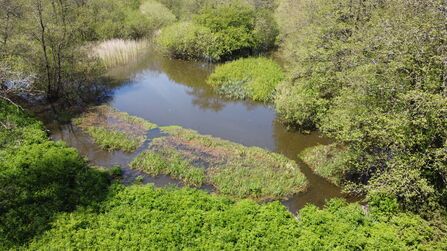
Chryssa Brown / Aerial shot of the Dorset Beaver Project site
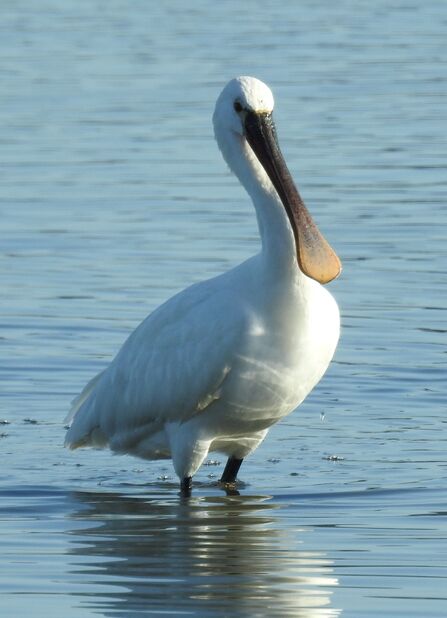
Nicki Tutton / Spoonbill on Brownsea Island
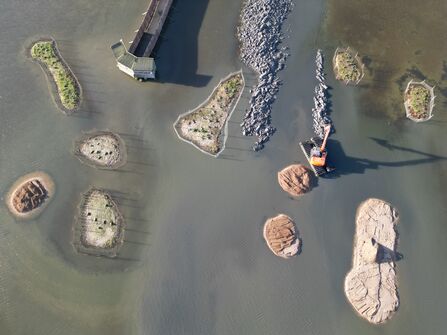
Tamas Molnar / Gravel islands in Brownsea Lagoon
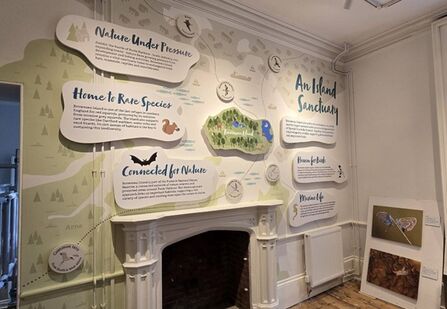
Nicki Tutton / Wildlife and Wetland Centre
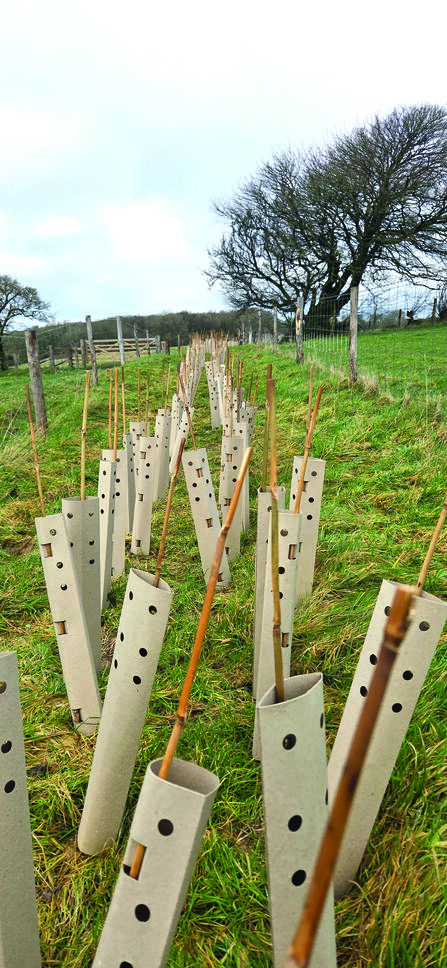
Lydia Gill / Hedgerow planting at Kingcombe
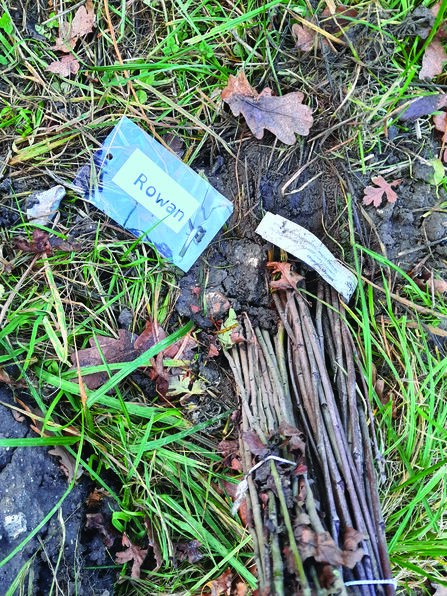
Lydia Gill / Tree whip
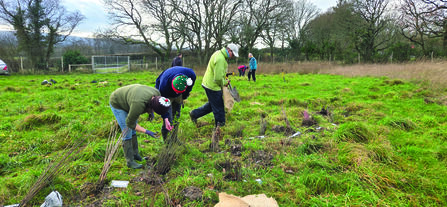
Lydia Gill / Tree planting at West Holme
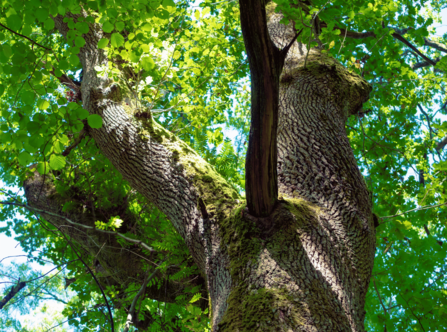
Trees provide us with comfort and hope in the face of an uncertain future (credit: James Burland/Dorset Wildlife Trust)
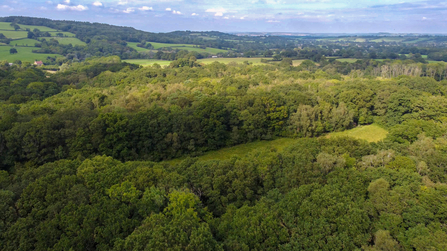
Bracketts Coppice nature reserve (aerial view) - James Burland/Dorset Wildlife Trust
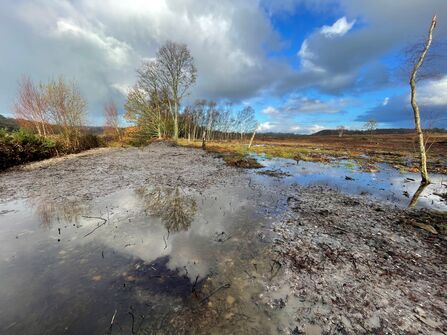
Grace Herve / Winfrith Heath

Tony Bates / Wildflowers in a churchyard

Dolphins © Gillian Day
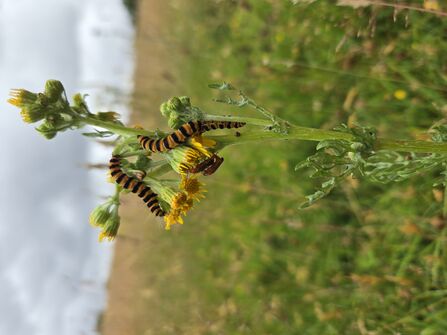
Seb Elwood / Cinnabar caterpillars on ragwort
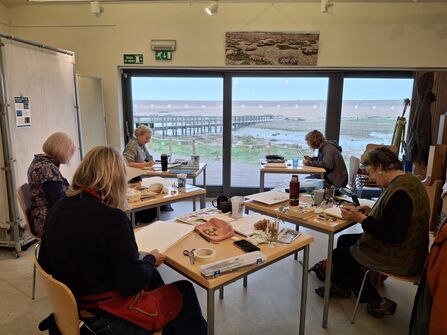
Sally Pinhey / Craft event at the Wild Chesil Centre


