Beyond birdfeeders: turn your garden into a banquet for birds

Beyond birdfeeders: turn your garden into a banquet for birds

Bob Coyle

Assistant Wilder Communities Officer Cressida Stevens explores simple, natural ways to support local birdlife. From planting berry-rich shrubs to leaving seedheads standing, you’ll discover how small changes can provide year-round food and shelter for your beloved garden birds. We also tackle common myths, share vital feeder hygiene tips, and show you how to make a DIY birdfeeder in under a minute.

To feed or not to feed? That is a question debated by many bird enthusiasts. Feeding wild birds can be highly rewarding, not only for our feathered friends but also for us, increasing our connection to nature. However, it does come with some risk. Let’s talk about the best (and less conventional) approaches to feeding your local birdlife, and how to avoid a help becoming a harm. 

Why feed wild birds? It’s true that birds could get on just fine without our help. The trouble is that we humans have made the task of finding food increasingly difficult for them, through things like pesticide use and habitat loss. Take hedgerows, for example. Native hedges are a boon for birds, offering shelter, nest materials, and of course, food. But here in the UK, we have lost about 50% of our native hedgerows since World War II, and less than a fifth of hedges left on arable land are considered to be good condition habitat*. 

So, because of our impact on the world, nature sometimes needs a helping hand. 

Goldfinch

Vaughn Matthews / Goldfinch 

Common myths

“Birds only need feeding in winter.”  

The branches are bare, the chill is sharp, and while we can pile on the jumpers, coats and scarves, birds need a little more… internal insulation. Yes, winter can be a good time to start thinking about feeding the birds. But in truth, birds could use our help all year round.  

Food may seem plentiful in spring and summer, but breeding season means extra mouths to feed. In addition, UK weather is unpredictable and the seasonal shift effects of climate change can cast uncertainty onto where a bird’s next meal is coming from. Then, come late summer and early autumn, birds moult. Growing new feathers is highly energy-intensive so birds need to up their calorie intake. 

“Feeding birds is time-consuming and expensive.” 

In this blog you will see that feeding birds can mean doing less, not more. We also have a very quick and affordable way to make your own birdfeeders, so read on! 

Gardening for birds

Feeding birds isn’t just about cage feeders that are filled with seeds, strung up and actively replenished. There are other ways you can cater for your local birdlife, and it’s all about what you’ve got growing in your gardens. 

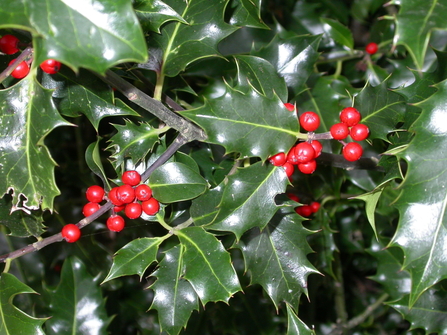
Trees that bear fruit, berries and nuts are an invaluable food source for birds. If you don’t have any already, consider planting shrubs or trees like hawthorn, blackthorn, holly, beech or hornbeam, all of which produce berries or seeds that birds enjoy. 

Perhaps your garden dazzles with a display of flowers each summer. Resist the urge to cut back dead seedheads when the season has passed and let the birds tend to them – they will be glad to snack on the protein-rich offerings. On top of that, many tiny insects can find shelter for the winter inside hollow stems. 

Do you want to get started growing flowers for birds?

  • The massive seedheads of sunflowers are a goldmine for sparrows and tits.
  • Goldfinches and chaffinches enjoy tucking into cornflower, knapweed and lamb’s ear seedheads.
  • Honeysuckle’s nectar-rich flowers attract small insects which is good news for insectivorous birds.
  • Honesty, with its silvery translucence has beautiful ornamental seedpods. They can provide shelter for insects, and their enduring seeds can also act as a food source.

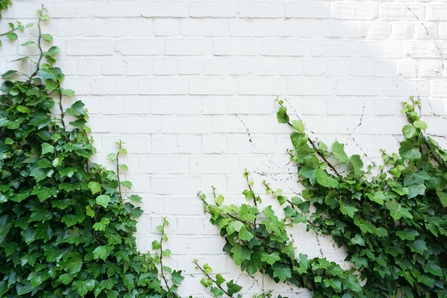
A special mention must go to ivy. Not only are the berries and seeds great avian nutrition, but it can provide shelter to foraging or nesting birds, and its late flowering season offers pollinators nectar in the autumn. Contrary to popular thought, ivy doesn’t damage sound walls or healthy trees, so if you’ve got some in your garden then put your feet up and let it do its work! 

Commercial birdfeeders

While holistically supporting birds in your garden is the best practice, birdfeeders can certainly benefit wild birds and offer a wonderful way to connect with nature at home. They can also make a fun project for families. However, to keep birds healthy and safe, it’s important to talk through some caveats: 

Keep it clean. The spread of disease amongst birds has been linked to birdfeeder use, so it really is crucial to regularly clean birdfeeders. Opting for hanging birdfeeders rather than flat ones also reduces contamination risk. Disease spread is the most contentious issue surrounding birdfeeders, the same goes for bird baths. See this RSPB article for more advice. 

Beware of predators. Feeding can be a risky venture for birds, so be sure to hang your birdfeeder somewhere that is open (allowing birds awareness of their surroundings) and away from shrubs or the tops of walls where predators might pounce. 

Start as you mean to go on. As discussed, birds face different challenges throughout the year and removing a food source that birds rely on can be disruptive. Once you begin feeding, try to keep it up, at least for the winter if not year-round. 

Don’t forget a drink. Clean water to drink and bathe in is vital to birds. Putting a dish or tub of fresh water out could be the best and easiest place to start caring for your garden visitors. 

Win an award!

One final reason to feed the birds. Native hedge, pollen-rich flowers, climbing plants, trees and shrubs that flower and fruit: these are some of our wildlife-friendly space award features. Without even knowing it, you could be well on your way to winning one of our Wildlife-friendly Space plaques. Why not make a Wildlife-friendly Space your goal for 2026? Find out more here

wildlife friendly gardening

WildNet - Tom Marshall