
The newly published Fingleton Review, though focused on nuclear regulation, carries implications far beyond the energy sector. Ministers have already signalled an enthusiasm to expand its deregulatory approach beyond nuclear and could shape how major infrastructure projects and potentially wider development, impact our natural environment. For Dorset’s wildlife, that should ring loud alarm bells.
Three of the 44 recommendations in this report are highly concerning. Firstly, to weaken the Habitats Regulations which protect our most precious internationally important wildlife sites; secondly to allow developers to pay into a national nature fund instead of carrying out detailed ecological assessments and on-site mitigation; and thirdly to weaken protection for national parks like the New Forest and national landscapes such as we have in Dorset and Cranborne Chase.
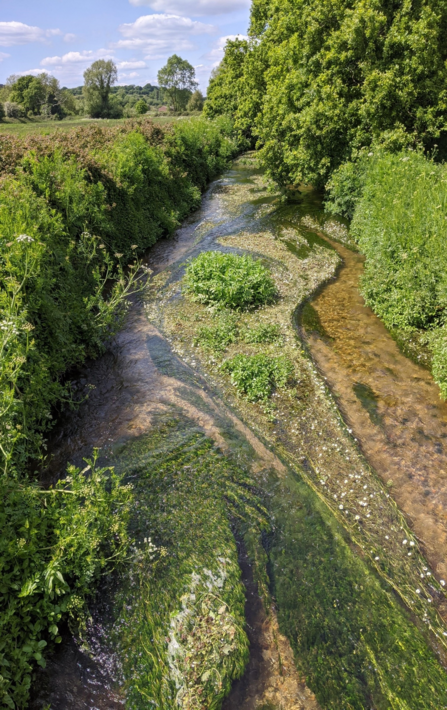
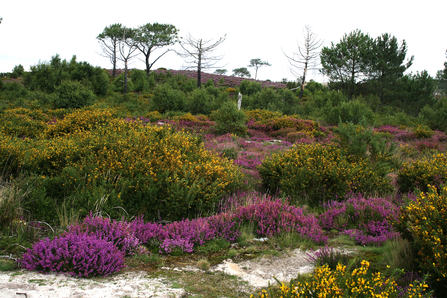
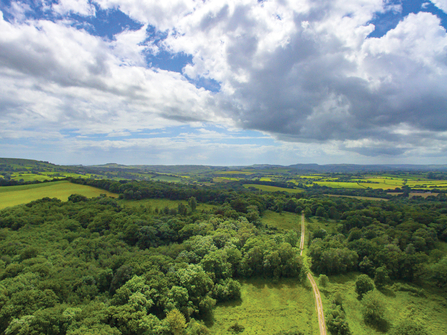
These changes would mark a profound shift away from the long-established mitigation hierarchy: avoid harm to the environment first, then minimise it (eg through re-design), then enhance and restore habitats on site, and only as a last resort compensate elsewhere. Dorset’s chalk streams, ancient woodlands and internationally important heathlands cannot simply be “offset” with a financial contribution. Once damaged, many habitats take decades to recover, and some may be lost forever.