Carnivorous plants on the rise at Cannon Hill

Carnivorous plants on the rise at Cannon Hill

At Dorset Wildlife Trust, we are extremely lucky to be supported by many passionate and knowledgeable volunteers, amongst them local botanist Daniel Holloway, who checked in on the Cannon Hill restoration site in early October and sent us an inspiring update.

"I have some exciting botanical news from Cannon Hill for you. I recently walked around the restoration site for the first time in about six months, looking for anything that might have popped up. 

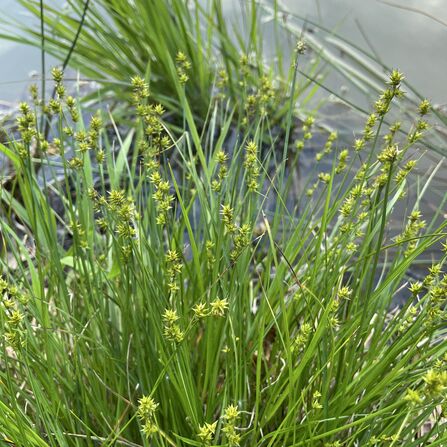
The top section continues to be the most interesting from a diversity point of view and is now being colonised by sedges. I noted two that I hadn't seen there previously: carnation sedge (Carex panicea) and common yellow-sedge (C. demissa). There were numerous plants of each, a few of which had matured to the point of bearing fruit. Further down the slope, star sedge (C. echinata) is continuing to spread along the edges of the new pools.
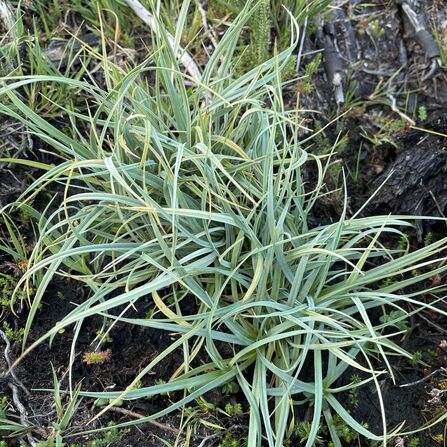
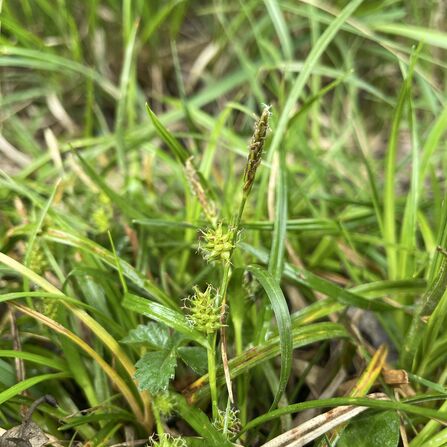
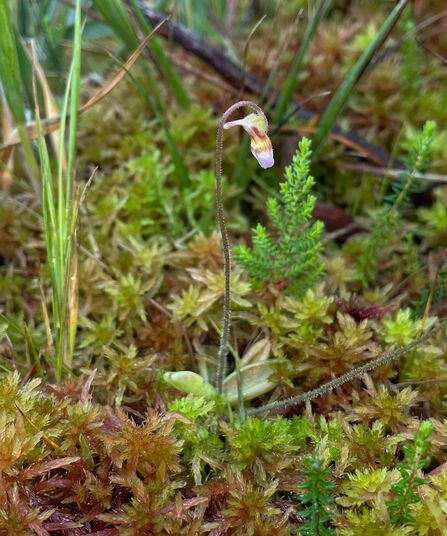
As the light was fading and I was making my exit, I also discovered something unexpected – and frankly marvellous: pale butterwort (Pinguicula lusitanica)! I found around 40 plants across two locations near the water source, and there may be more. Some were flowering, while others were just tiny seedlings."

Written by Dorset Wildlife Trust volunteer, Daniel Holloway

The following day, Daniel returned to the site and had a thorough search for pale butterwort. He found five patches in total and did his best to count the plants – the final tally was 330! Some were growing among patches of lustrous bog-moss (Sphagnum subnitens), an encouraging sign that peat-forming processes are returning to the mire.

Pale butterwort has not been recorded on Cannon Hill or Uddens since 1950. It joins two other carnivorous plant species present there in small quantities, the round-leaved and oblong-leaved sundews (Drosera rotundifolia and D. intermedia, respectively). 

Pale butterwort is one of the UK's 13 carnivorous plants and has declined in some regions due to habitat loss and competition from other species. Its delicate flowers belie the deadly leaves below, which act like sticky flypaper, trapping unsuspecting insects before slowly digesting them. Like other carnivorous plants, pale butterwort uses these additional nutrients to supplement the meagre pickings available in acidic, boggy soils.

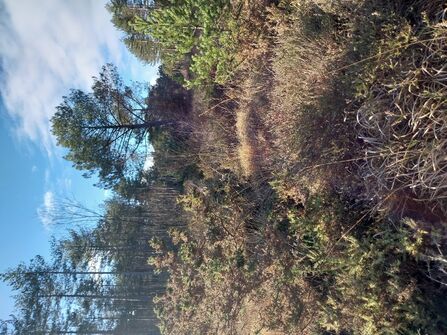
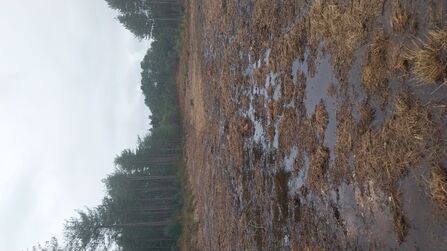
The Cannon Hill mire is managed by Forestry England, with invaluable support from volunteers from the Friends of Uddens and Cannon Hill Woodlands. The site was restored over the winters of 2023 and 2024, with the initial groundwork carried out by volunteers using hand tools. Across the site, dry, scrubby vegetation has been removed, dense tussocks of purple moor-grass (Molinia caerulea) have been mulched using specialised machinery, and the main drainage channel has been infilled.

Daniel also noticed that, although current conditions are good, the areas of pale butterwort are under threat from purple moor-grass and bog-myrtle. These insights highlight the amazing recovery possible in just a short amount of time, but also the need for ongoing monitoring and intervention to ensure continued success. 

If you would like to join our fantastic volunteers, you can explore current opportunities and register here.

Written by Volunteer Rivers and Wetlands Communications Coordinator, Anna Baynham-Knight