
International Bog Day is an annual celebration around the world, which is marked on the fourth Sunday in July. This year, the Dorset Peat Partnership would like to mark this event by sharing with you the bogs which are on your doorstep in Dorset. They may be small and quite well hidden across Dorset's heaths, but they are extremely important because our peatland habitats are performing a silent role in our fight against climate change.
By re-wetting our lowland peat habitats, we are enabling plant matter to partially decompose and build up a thick layer of organic material, encouraging the formation of sphagnum mosses. These mosses act as sponges, locking in water, which is particularly helpful during hot, dry heatwave conditions.
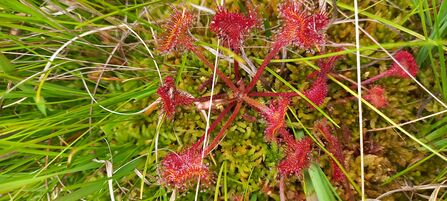
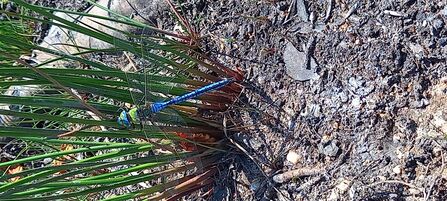
Peat also stores carbon, helping to reduce the amount of carbon dioxide released into the atmosphere and contributing to efforts to tackle climate change. Wetter habitats with pools of water are also attractive to species of dragonflies that use them as breeding grounds. They also provide excellent habitat for ground-nesting birds, breeding waders and specialised plant species like sundews to thrive.
This summer, we have already experienced several heatwaves, with prolonged hot weather, high humidity and no rainfall. This combination means heathland vegetation is becoming drier, water levels in our aquatic systems are dropping, and the risk of wildfires is increasing.
The effects of climate change are increasingly evident, but I am encouraged to see that the Dorset Peat Partnership’s restoration work across various sites is showing resilience to extreme heat. Our restored areas are still holding water, keeping the land wetter and providing space for nature to thrive.
There have already been exciting signs of recovery, including sightings of lapwing and the beautiful emperor dragonflies at Sandford Heath - a site where work to improve the peat habitat was completed just six months ago during a period of extreme storm events.