

Planning and development
Development matters
Housing and development has the potential to have a serious impact on wildlife and habitats but there are also opportunities to deliver benefits for biodiversity.
Recent years have seen huge changes to planning policy in the UK, with policies such as the introduction of statutory Biodiversity Net Gain in 2024, the passing of the new Planning and Infrastructure Act in December 2025, and current proposed revisions to the National Planning Policy Framework. More than ever, there is increasing pressure to streamline decision-making processes and reduce costs for developers. However, this carries a significant risk that the needs of nature will be sidelined, and that strategic policies intended to boost biodiversity will fail to accommodate the complex needs of our most sensitive and vulnerable wildlife. It is essential that development does not contribute further to the biodiversity and climate crises, that loss of habitats and species does not continue, and that people living in urban areas are not cut off from nature.
What we do
Dorset Wildlife Trust works to promote positive outcomes in planning, whether that is fighting damaging proposals or pushing for well-designed and strategic enhancements for biodiversity to obtain the maximum benefit for wildlife.
We are not anti-development and we recognise the need for housing and infrastructure that supports the economy and our local area, but we will seek to ensure that the right development happens in the right places.
We work closely with planners and ecologists at Dorset Council and Bournemouth, Christchurch and Poole (BCP) Council to ensure that planning decisions are made on a sound ecological basis and supported by the appropriate evidence. We also liaise closely with Natural England and other conservation organisations including the RSPB and Amphibian and Reptile Conservation (ARC) on applications which affect important sites and species.
We have limited capacity and are not able to respond to every application, so we focus on those with potentially detrimental impacts on important wildlife sites and protected species, and also where access to nature reserves or greenspace is threatened. Dorset Wildlife Trust will particularly prioritise planning applications which have the potential to affect our nature reserves or Sites of Nature Conservation Interest (SNCIs).

Housing development site - Amanda Marler
Strategic planning
Dorset Wildlife Trust also works to ensure that wildlife and biodiversity priorities are built into local strategic planning at an early stage. We are a consultee on Local Plan documents and other spatial planning matters such as neighbourhood plans and supplementary planning documents. These set policies and future patterns of development and we place a high priority on influencing their content to ensure that they describe a sustainable future for conservation of nature in Dorset.
Both Dorset Council and Bournemouth, Christchurch and Poole Council are beginning the process of producing new Local Plans that will shape development in their respective areas. Dorset Council has recently consulted at an early stage on priorities for the plan, including opportunity sites for residential, employment and traveller use. BCP Council will be developing their new Local Plan under a revised plan-making process, expected to be published early in 2026, and we anticipate an early-stage consultation for the BCP Council Area in 2026.
We will update this page with our latest responses to these consultations
Download our most recent responses to the Local Plan consultations below.
Dorset Wildlife Trust's Response to Dorset Local Plan Option Consultation 2025 - main response
Dorset Wildlife Trust's Response to Dorset Local Plan Option Consultation 2025 - sites

Mariko Whyte
Take action in your community
Planning affects everyone and everyone also has the power to influence planning outcomes, both as individuals and communities.
As an organisation Dorset Wildlife Trust has limited capacity to respond to planning applications so we do have to prioritise the most significant cases and are not able to respond to all applications which may have an impact on biodiversity.
Download our guidance below to help find out how you and your community can also make your concerns heard:
How to comment on a planning application
We will developing further resources and training in future to help communities influence local planning decisions and achieve the best outcomes for nature. If you are interested in keeping up to date as opportunities develop, please email planning@dorsetwildlifetrust.org.uk

Adder - Steve Davis
Planning help and advice
If you have a specific planning query, please contact the Trust’s planning officer at planning@dorsetwildlifetrust.org.uk.
If your question relates to a planning application, it would be helpful if you could include the application number in your email.
The Wildlife Trusts' vision
The Wildlife Trusts have a vision for housing that works for people and wildlife, find out more here.
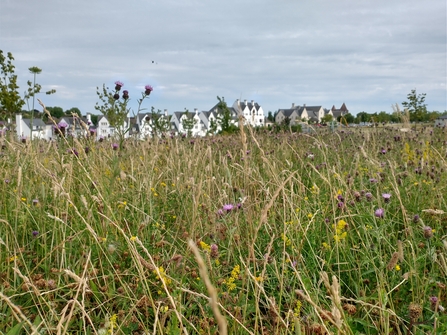
Mariko Whyte
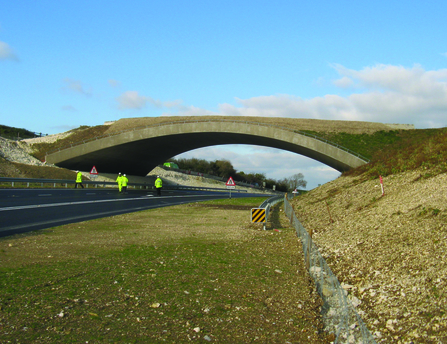
Green bridge - Phil Sterling
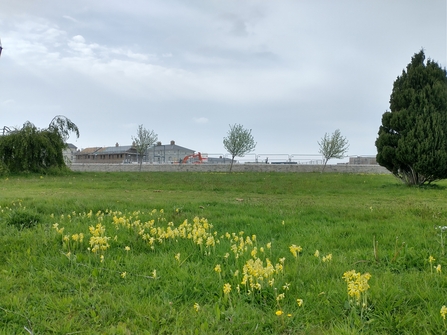
Mariko Whyte
Update on planning activity
Dorset Wildlife Trust is not a statutory consultee and the Local Planning Authorities do not have to follow our advice, but our comments are usually taken seriously.
In 2025, we responded to planning applications ranging from simple roof works to minerals and waste applications and new housing developments, as well as Dorset Council’s Local Plan Options Consultation, Dorset Transport Plan Consultation and Dorset’s Minerals and Waste Plan Consultation.


