Species Survival Fund: A busy autumn

Species Survival Fund: A busy autumn

Dorset Wildlife Trust’s Species Survival Fund project made major progress this autumn, from new land and peatland restoration at Tadnoll and Winfrith to new ponds, hedgerows and improved grazing at Kingcombe Meadows and other nature reserves. Volunteers, surveys and new visitor data are helping create healthier habitats across Dorset.

Autumn signalled the final quarter of our Species Survival Fund (SSF) project, and exciting developments have been taken place at several of our nature reserves. Throughout the season, we continued to restore natural habitats, improve biodiversity, and create spaces where both wildlife and people can thrive.

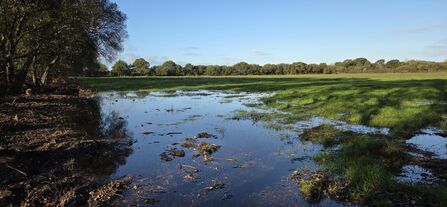
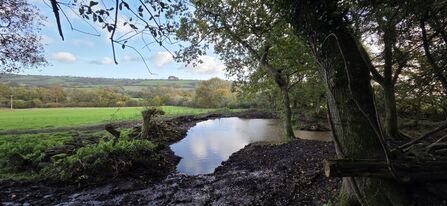
Eight hectares of new land was recently acquired at our Tadnoll and Winfrith nature reserve. Work has been underway to fence the area so our cattle can access it to graze, keeping the number of fast-growing plant species levels low and allowing slower rarer plants such as marsh clubmoss a chance to take root. We’re also working with the Dorset Peat Partnership to restore the land’s natural hydrology by filling in man-made ditches and creating bunds to help retain water onsite and rewet areas of degraded mire to benefit peat formation, a crucial step for supporting wetland species and storing carbon.
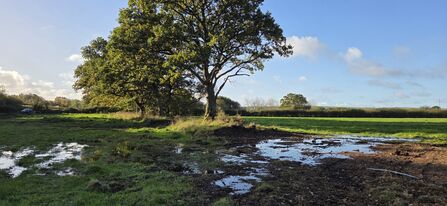
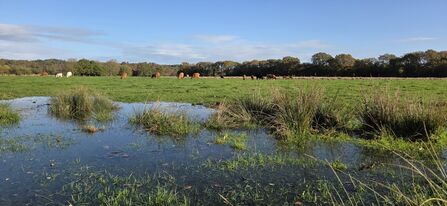
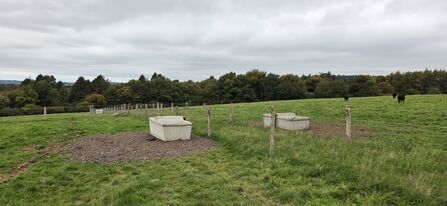
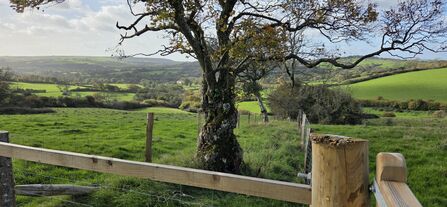
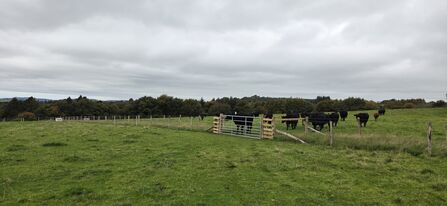
Improvements are also underway at Kingcombe Meadows, with new fencing and water troughs installed. These changes will help us control grazing the land more effectively and enhance the quality of the area designated as a Site of Special Scientific Interest (SSSI). This winter, we’re also planting a new hedgerow along the fence line, creating a living corridor providing food and shelter for birds, insects, and small mammals. Two new ponds have been dug on site, with the first filling up the day after it was completed due to the heavy rains. We’ve used the site’s natural geology to our advantage, digging down into the clay substrate which works amazingly as a natural pond liner, so there’s no need for a synthetic black rubber liner.

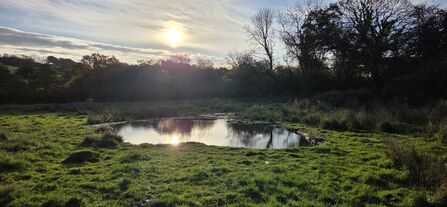
At Lower Common, clearance work started last winter to reduce the vegetation around the nature reserve’s pond. More sunlight can now reach the pond’s surface, giving aquatic plants a better chance to establish and flourish, providing a valuable habitat and food sources for invertebrates, amphibians, and other pond visitors such as mammals and birds.

Our dedicated community volunteers have continued their great work at Peascombe nature reserve, maintaining the orchard they helped to restore so that it remains accessible for locals and visitors. At the quieter end of the nature reserve, we also created a second pond alongside the existing one. Grass snakes were spotted hunting in the pond earlier this year, and adding a second pond will give them more space to hunt while enriching the habitat for other water-loving creatures.

Finally, at Lyscombe, new footfall counters have been installed at two key locations around the site. This technology will help us better understand how visitors use the nature reserve, informing future management decisions and supporting funding bids to sustain our conservation work. Alongside this, we’ve also completed our first full season of surveying the butterflies on site with the help of volunteers. Being aware of what species are visiting the site, and those that we might expect but are absent gives us valuable insight that we can use to help shape how we mange different parts of the nature reserve.

Lyscombe footfall counters

Lydia Gill / Lyscombe footfall counters

Together, these projects represent real progress toward a wilder, healthier Dorset. Thank you to all our members, volunteers, partners, and the National Lottery Heritage Fund, who make this vital work possible.

Species Survival Fund logo